The quick difference
AI clothes remover describes removing or simplifying a clothing area in an authorized adult model photo before another fashion edit. In a responsible workflow, it is used for cleanup, layer removal, product prep or virtual try-on preparation. It should not be used to create nude images, deepfake nude content or non-consensual edits.
AI clothes changer describes adding or replacing a visible outfit: a bikini, bra, underwear set, dress, jacket, activewear look, resortwear layer or campaign variation. The final image should clearly show clothing. It is the better framing for ecommerce, creator styling, fashion design and personal outfit preview.
The two workflows may appear in the same project. For example, you might clean a jacket boundary from an approved adult model photo, then use an outfit changer to preview a bikini or lingerie set. The ethics and rights check applies to both steps.
This comparison covers the practical overlap between AI clothes remover, remove clothes from photo, remove jacket from photo, AI clothes changer, AI outfit changer, dress remover alternative, clothing cleanup and virtual try-on prep. Risky terms are redirected toward authorized 18+ cleanup and visible outfit edits.
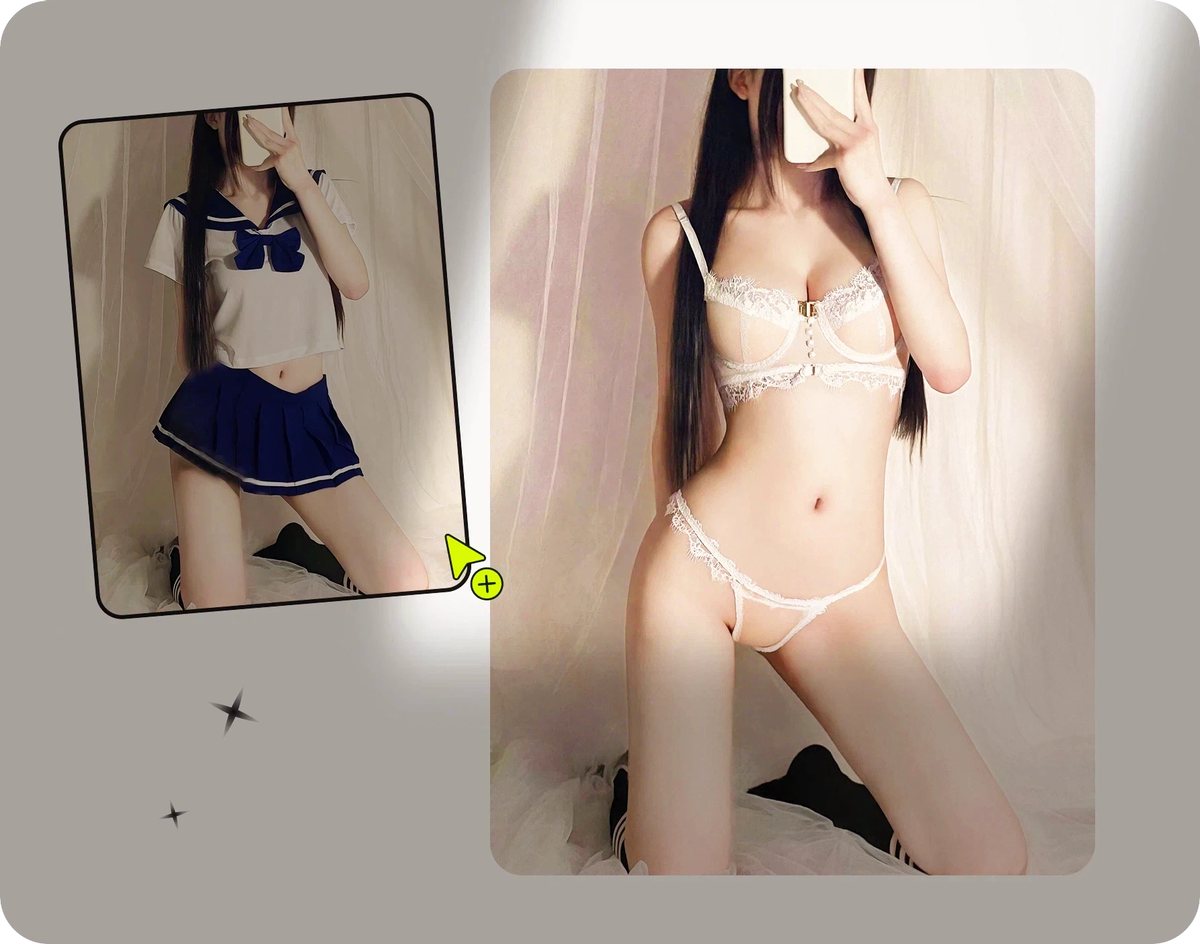
AI clothes remover vs AI clothes changer comparison
| Workflow | Main intent | Good use case | Do not use for |
|---|---|---|---|
| AI clothes remover | Cleanup, simplify or prepare clothing areas in an authorized 18+ model photo. | Remove a jacket layer, clean a dress overlay, prepare a photo for virtual try-on or campaign review. | Nudity, private photos, minors, screenshots from social media or non-consensual edits. |
| AI clothes changer | Replace or add a visible outfit direction. | Put bikini on model, change outfit color, preview lingerie, test resortwear or create product variants. | Misleading product claims, unapproved model edits or edits that imply consent. |
| AI outfit changer | Broader umbrella for visible style edits. | Fashion sellers, designers, creators and personal wardrobe planning. | Identity misuse or rights-cleared commercial publishing without permission. |
When to use an AI clothes remover
Use a clothes remover workflow only when the source is an adult model photo you are allowed to edit and the goal is cleanup or prep. Common examples include removing an outer jacket from your own travel photo, simplifying a layered dress image before a try-on edit, cleaning fabric boundaries before a bikini outfit change, or preparing an approved model photo for a campaign concept.
The input should be a model photo, not a flat-lay, mannequin, product-only image or private screenshot. For flat-lays and product photos, use product photography tools such as fashion model, ghost mannequin, color change or background editing instead.
Good cleanup preserves pose and camera direction. It should not create a new identity, expose a person, or turn the image into a fake private moment.
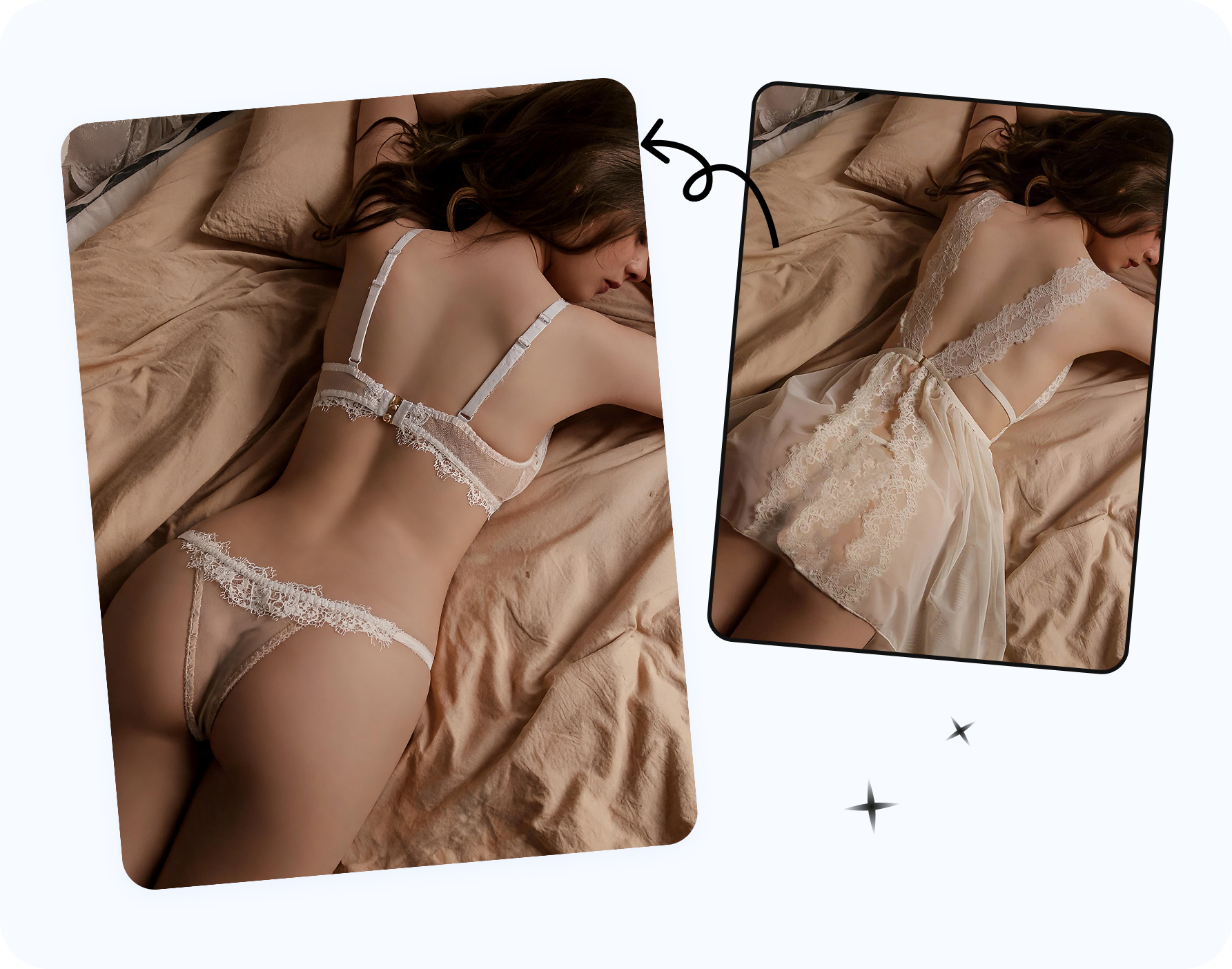
When to use an AI clothes changer
Use an AI clothes changer when the desired result is a new visible outfit: put bikini on model, change dress to resortwear, preview lingerie, switch underwear style, test a bra top, compare activewear or create a fashion campaign variation. This is the commercial side of the workflow because it produces a clothed image that can be reviewed for styling and product direction.
Fashion sellers
Preview product styling, campaign direction and marketplace gallery variations before another shoot.
Creators
Test travel, beach, lifestyle and sponsored content directions on images they control.
Personal users
Experiment with styling variations on their own adult photos before buying or packing.
The key quality test is whether the outfit reads as intentional and visible. If the result is ambiguous, overly revealing, or does not match the source rights, reject it.
Rights, age and platform boundaries
For commercial work, keep a record of model release, photographer license, brand rights and platform restrictions. A fashion seller cannot assume an AI output is publishable just because the source image is in a folder. The usage rights need to cover the new edited image.
This is why language matters. A responsible page can acknowledge clothes remover search intent while steering the workflow toward permission-first cleanup, AI clothes changer, outfit changer and virtual try-on use cases.
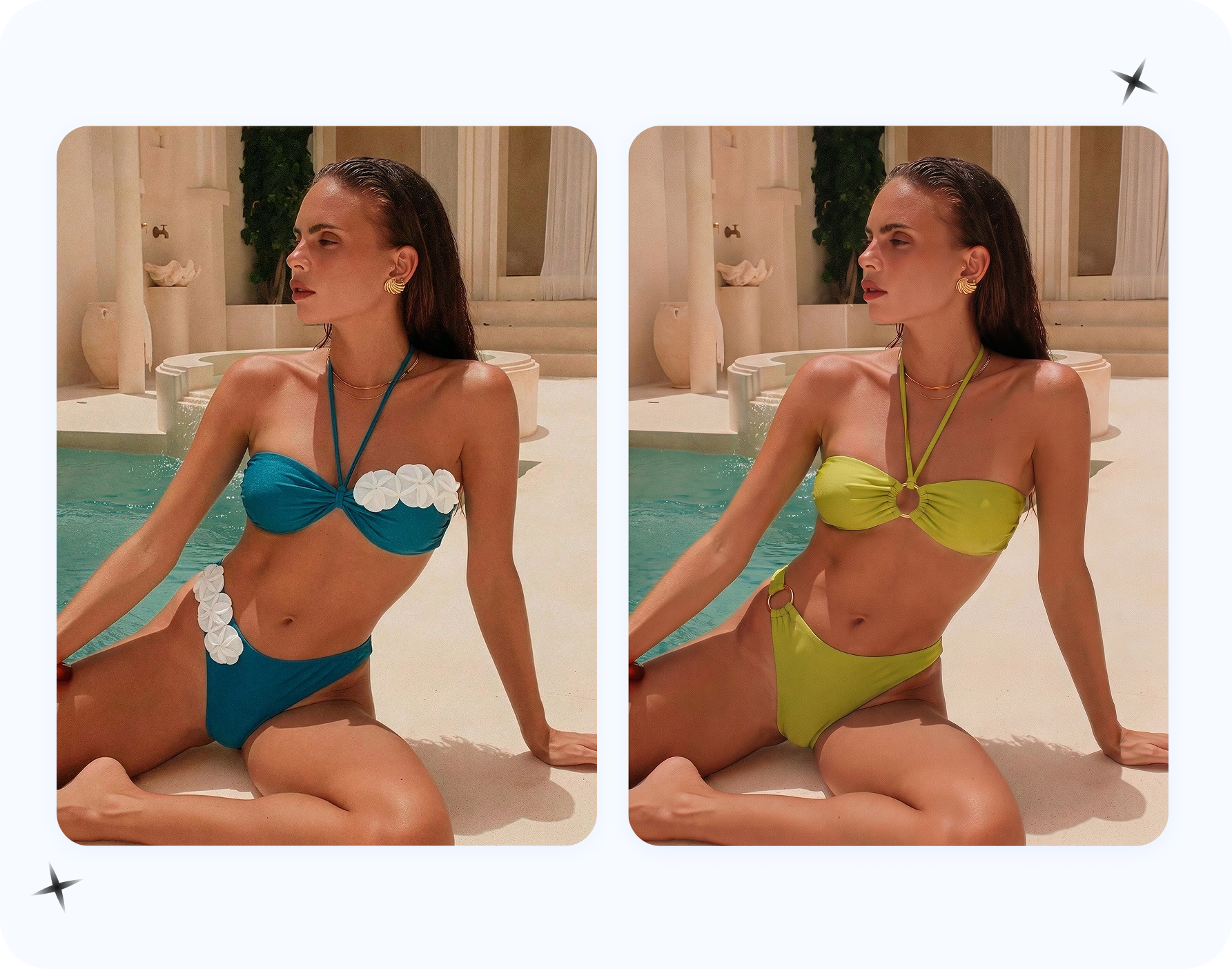
How to choose the right Snappyit tool
Use Snappyit AI Clothes Remover when you need authorized clothing-area cleanup on an adult model photo. Use AI Bikini Photo Editor when the goal is bikini, lingerie, bra, underwear or resortwear outfit replacement. Use AI Plus Size Model Generator when the task is product-on-model catalog coverage across extended sizes.
A decision tree for the right workflow
Ask four questions before choosing a tool. First: is the input a person or a product? If it is a flat-lay, mannequin or hanger image, skip clothes remover and use product photography tools. Second: is the person 18+ and authorized? If not, stop. Third: is the desired output a cleanup step or a new outfit? Cleanup points to AI clothes remover; a new visible outfit points to AI clothes changer. Fourth: will the image be published? If yes, add commercial rights and platform review before exporting.
This decision tree prevents the most common mistake: using clothes remover language when the actual need is an outfit changer. Many legitimate fashion searches use words like remove clothes from photo because users do not know the workflow vocabulary. The product team should translate that intent into permission-first cleanup, layer removal, outfit changer, clothes changer or virtual try-on terms.
How to cover the keyword cluster without inviting misuse
SEO content can acknowledge risky language without making risky output the product promise. Use the phrase AI clothes remover where it describes the user search, then define the allowed workflow clearly: authorized 18+ model photos, clothing-area cleanup, outer-layer removal, try-on prep and visible outfit editing. Reinforce permission-first adjacent terms such as AI clothes changer, AI outfit changer, clothes editor, remove jacket from photo, outfit cleanup and virtual try-on prep.
Do not hide the boundary in legal fine print. Put it in the answer, the FAQ and the workflow steps. That way users searching for undress AI, nudify AI or clothes remover understand what the tool will and will not do before uploading an image.
Personal edits, creator edits and commercial edits need different review levels
A personal user cleaning their own adult travel photo needs privacy, control and a result that helps them test styling. A creator preparing a brand pitch needs a result that still looks like their content style and can be shared with a partner. A fashion seller needs rights-cleared inputs, product accuracy and output that can survive merchandising review. The same tool can support all three, but the approval bar changes.
For personal use, the main question is consent: is it your photo and are you comfortable with the edit? For creators, add usage rights and brand alignment. For sellers, add model release, photographer license, product truth and platform policy. This layered review prevents a casual cleanup workflow from being treated like a ready-to-publish commercial asset.
AI clothes changer outputs also need product review. If the new outfit is a bikini, bra, underwear set, dress or activewear product, inspect whether the garment is a concept or an actual SKU. Concept imagery can guide a shoot. Product imagery must match what the customer can buy.
How to brief a team without using risky shorthand
When a team briefs this workflow, avoid vague shorthand. Write: clean the jacket layer from the approved adult model photo, prepare the image for a visible bikini try-on, or create three outfit changer variants with resortwear styling. That language tells the editor what output is allowed and what review standard applies.
If SEO content needs to mention clothes remover, immediately define the boundary in the same paragraph. A good brief should make misuse harder, not easier. It should also state the final destination: personal preview, creator mockup, internal campaign board, product-page draft or paid ad concept.
Frequently asked questions
What is the difference between AI clothes remover and AI clothes changer?
AI clothes remover is best framed as authorized clothing-area cleanup or prep. AI clothes changer replaces or adds a visible outfit such as bikini, lingerie, dress or resortwear.
Is AI clothes remover an undress AI tool?
It may be searched that way, but Snappyit frames it as authorized 18+ cleanup and try-on preparation, not nudity, deepfake nude output or non-consensual edits.
Can I remove a jacket from a photo?
Yes, if it is your own adult photo or an authorized adult model image and the result remains appropriate for cleanup or outfit editing.
Can I use it on social media screenshots?
No. Do not use private photos, screenshots, celebrity images, dating-profile photos or anyone who has not consented.
Can I use AI clothes changer for bikini edits?
Yes. Use AI Bikini Photo Editor to change an authorized model photo into bikini, lingerie, underwear or resortwear.
What input image should I use?
Use a clear adult model photo with visible pose. Do not use flat-lays or mannequins for the AI clothes remover workflow.
Can fashion sellers use these tools?
Yes, for authorized model photos, campaign concepts, outfit variations and product review workflows with proper rights.
Can personal users use it?
Yes, on their own adult photos for travel, lifestyle, outfit cleanup or virtual try-on prep.
What should I avoid?
Avoid minors, non-consensual images, private photos, nudity, misleading product claims and unlicensed commercial publishing.
Which Snappyit tool should I use first?
Use AI Clothes Remover for authorized cleanup, AI Bikini Photo Editor for visible outfit changes and AI Plus Size Model Generator for product-on-model size coverage.