
At a glance
What is a fashion model? Types, salary ranges, physical requirements, how to start, plus how social media and AI reshape it.
| Need | What to do |
|---|---|
| Get oriented | Read the short summary, then use the checklist below. |
| Create a test image | Try AI Fashion Model Free |
What Is a Fashion Model and Why the Role Matters
When you hear the phrase "fashion model," you might picture someone walking a runway in designer clothes. That image isn't wrong, but it barely scratches the surface. So what is a fashion model, really? The answer involves far more than posing and looking good on camera.
The Core Definition of a Fashion Model
A fashion model is a professional visual communicator who uses their body, movement, and expression to bring clothing designs, accessories, and brand narratives to life for designers, publications, and consumers.
That modeling definition goes beyond the common assumption that models simply "wear clothes." In practice, fashion modeling is a skilled profession that spans runway shows, editorial magazine spreads, advertising campaigns, catalog shoots, and increasingly, digital content creation. A model's job is to translate a designer's creative vision into something audiences can see, feel, and connect with emotionally.
The concept of modelling dates back to the mid-1800s, when Marie Vernet Worth became what many consider the first fashion model by showcasing her husband's designs in Paris. The profession has evolved dramatically since then, but the core purpose remains the same: give garments a human story.
Why Fashion Models Matter to the Industry
Imagine a beautifully constructed jacket hanging on a rack. It has structure, quality fabric, and thoughtful details. Yet without a model bringing it to life through movement and context, most consumers struggle to picture themselves wearing it. That's the gap fashion models fill.
They help define what is the modelling of trends each season, influence purchasing decisions, and shape cultural perceptions of style. Models create excitement around new collections, give editorial spreads their emotional weight, and make advertising campaigns memorable. Their role touches every corner of the fashion ecosystem, from haute couture houses to everyday retail brands.
What is fashion modelling in practice? It's a career with distinct categories, each requiring different skills, physical attributes, and professional strategies. Runway, editorial, commercial, fitness, plus-size, and parts modeling all fall under this umbrella, and the definition modelling professionals use for themselves varies depending on their niche.
The profession is also shifting rapidly. Social media, evolving beauty standards, and new technology are rewriting the rules of what is modelling in the modern era. Understanding these layers reveals a career that's far more complex, demanding, and diverse than most people realize.
Every Type of Fashion Model Explained
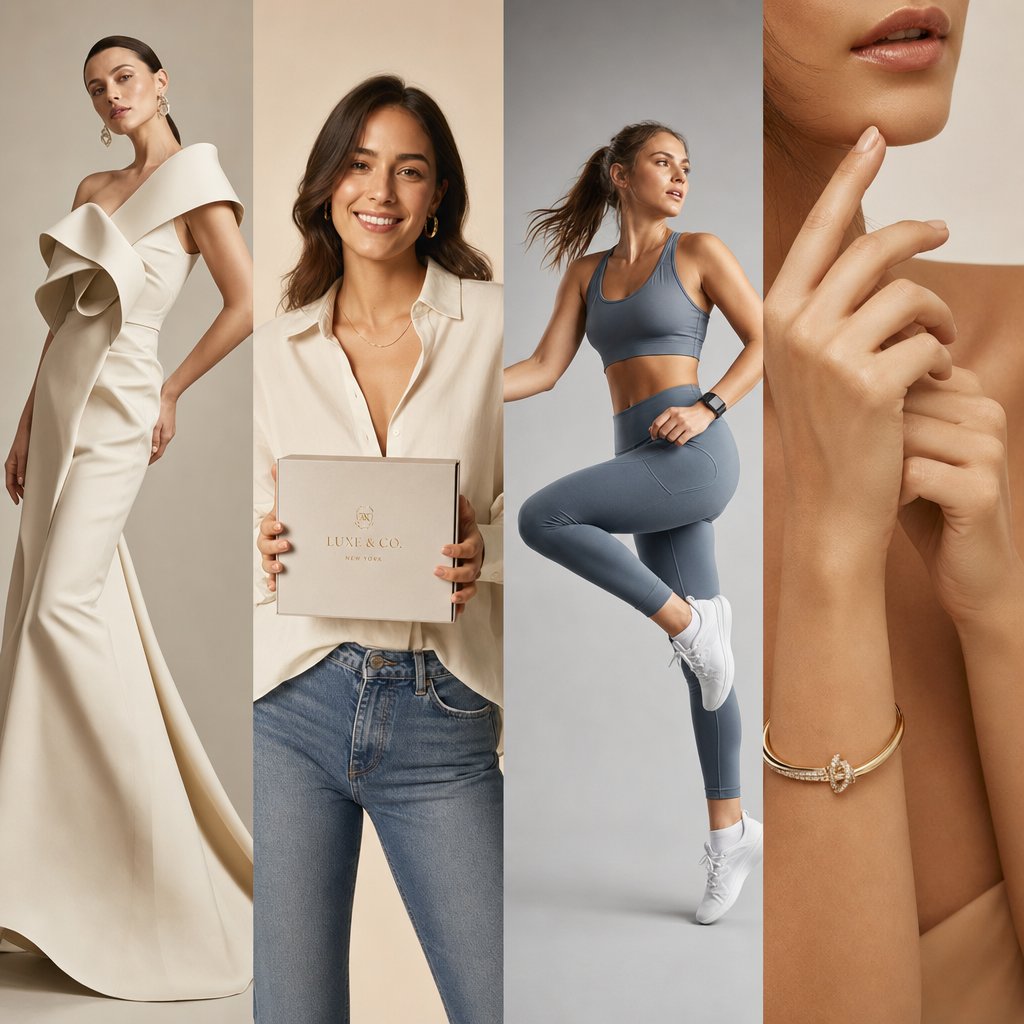
The modeling world isn't a single lane. It's more like a highway with multiple exits, each leading to a distinct type of modeling with its own requirements, clients, and career dynamics. If you've ever wondered what types of models are there beyond the ones you see in Vogue, the answer might surprise you. There are well over a dozen recognized classes of models working across fashion, advertising, and digital media.
Runway and Editorial Models
Runway models walk for designers during fashion weeks and seasonal presentations. They bring garments to life through movement, posture, and presence in front of a live audience. Height requirements remain strict here, generally 5'9" to 6' for women and 6' to 6'3" for men, and sizes typically range from 0 to 4 for women. Most runway models start young, often around 17, and the window for this type of modeling can be relatively short.
Editorial models, on the other hand, work in front of the camera rather than a live audience. Their job is to tell a visual story through a series of images for fashion magazines like Elle, Vogue, and Vanity Fair. Editorial work emphasizes mood, emotion, and artistic expression over straightforward product display. The physical standards overlap heavily with runway, though editorial casting sometimes allows for more unconventional looks that serve a specific creative narrative.
Commercial and Specialty Models
Commercial models represent the broadest and most accessible type of modeling. Their purpose is to sell or promote a specific product or brand to a wide audience. You'll find them in catalog shoots, billboard ads, medical brochures, and lifestyle campaigns. The key difference? Commercial work prioritizes relatability. Brands want people who look like their customers, so height, size, and age requirements are far less rigid than in fashion modeling.
Within the specialty space, several different modeling paths stand out:
- Plus-size models — typically size 12 and above in the commercial world, hired for brands seeking body-diverse representation. Good proportions and a well-toned appearance are still expected.
- Petite models — generally between 5'1" and 5'7", often booked for lingerie, swimwear, and parts work rather than runway.
- Fitness models — required to maintain peak physical condition, promoting gyms, supplements, workout apparel, and health brands. Height matters less here; defined muscle tone is non-negotiable.
- Parts models — hired specifically for their hands, feet, legs, or hair. Flawless skin, excellent nail condition, and precise posing skills are essential since the camera focuses on one isolated feature.
- Fit models — a behind-the-scenes role where models wear garments during the design process so teams can evaluate how sizes fit on a real body before mass production.
Emerging Categories in Modern Modeling
The industry keeps expanding. E-commerce modeling has exploded alongside online retail, with models acting as human mannequins to show how products look on a real person. Promotional models work live events, trade shows, and conventions, mixing brand awareness with interpersonal engagement. And influencer modeling, fueled by social media, has blurred the line between content creator and professional model entirely.
With so many styles of modeling available, the path you choose depends on your physical attributes, personality, and career goals. Here's a side-by-side look at how the major kinds of modeling compare:
| Type | Typical Work | Physical Requirements | Pay Range |
|---|---|---|---|
| Runway | Fashion week shows, designer presentations | 5'9"-6' (women), slim build, sizes 0-4 | $200-$2,500 per show; top models earn $20,000+ |
| Editorial | Magazine spreads, cover shoots | Similar to runway; unconventional looks sometimes cast | $100/hour to $25,000 for international work |
| Commercial | Ads, catalogs, billboards, brochures | Flexible; relatable appearance valued over strict measurements | $200/hour average; pharmaceutical jobs pay $2,500-$20,000 |
| Plus-Size | Brand campaigns, catalogs, editorial | Size 12+, good proportions | Comparable to commercial rates |
| Fitness | Gym ads, supplement brands, activewear | Athletic build, defined muscle tone | Varies widely by brand and platform |
| Parts | Jewelry, nail polish, shoe, and hair ads | Flawless skin on featured body part, no scarring | Hourly rates similar to commercial; niche demand |
| E-Commerce | Online retail product photos | Diverse; brand-specific sizing | $100-$500 per session typical |
Each type of modeling carries its own booking process, career trajectory, and earning potential. But one distinction trips people up more than any other: the line between fashion models and commercial models. Understanding that difference shapes everything from how you build a portfolio to which agencies you approach.
Fashion Model vs Commercial Model and Key Differences
The confusion makes sense. Both fashion models and commercial models pose for cameras, work with brands, and get paid for their appearance. But the similarities mostly end there. The two paths serve fundamentally different purposes, attract different clients, and demand different things from the people who walk them.
What Sets Fashion Models Apart from Commercial Models
So what is a commercial model, exactly? A commercial model is someone hired to make products feel accessible and relatable to everyday consumers. Think catalog shoots, medical brochures, lifestyle ads, and retail campaigns. The goal is connection: viewers should see themselves in the image.
Fashion modeling flips that dynamic. Instead of relatability, fashion models create aspiration. They embody a designer's artistic vision, evoke emotion, and sell an aesthetic rather than a specific product. You'll find them in high-concept editorials, luxury campaigns, and runway shows where the clothing is the story.
This distinction shapes everything else. Physical requirements for fashion models remain strict, with women typically needing to be 5'8" to 5'10" and maintain measurements around bust 32"-36", waist 22"-26", and hips 33"-35". Commercial modelling welcomes more diverse body types, ages, and heights, often fitting women's sizes 34-36 with no rigid height minimums.
Career longevity differs too. Fashion modeling careers often peak before 25 and average just 4-5 years of active work. Commercial modeling extends well into your 30s and beyond because brands constantly need people who reflect their actual customer base. If you're wondering what are commercial models doing differently, the answer is simple: they're selling normalcy, not fantasy.
| Criteria | Fashion Model | Commercial Model |
|---|---|---|
| Purpose | Artistic storytelling, designer vision, aspirational imagery | Product relatability, broad consumer appeal, practical usage |
| Look Requirements | 5'8"-5'10" (women), slim build, specific measurements | Flexible height, diverse body types, relatable appearance |
| Typical Clients | Luxury brands, fashion magazines, haute couture houses | Retail brands, healthcare companies, lifestyle advertisers |
| Career Path | Starts young (teens), peaks before 25, high visibility but short span | Any age, longer career longevity, steadier income |
Editorial vs Runway — A Further Distinction
Even within fashion modeling, the editorial model vs runway model comparison reveals important differences. A runway model's job is physical performance: walking with precision, projecting confidence to a live audience, and making garments move naturally. The work is fast-paced and seasonal, concentrated around fashion weeks.
Editorial models work in a more collaborative, slower-paced environment. They partner with photographers and creative directors to build a narrative across a series of images. Unconventional features that might disqualify someone from runway casting can actually become an asset in editorial work, where uniqueness serves the story.
Both paths require agency representation for high-profile bookings, but commercial modeling offers more freelance flexibility. Understanding what is commercial modeling versus fashion work helps you target the right agencies, build the right portfolio, and set realistic expectations for your career trajectory.
How to Become a Fashion Model Step by Step
Knowing the difference between fashion and commercial work is one thing. Actually breaking into either side of the industry is another challenge entirely. If you've ever asked yourself "how do I become a model?" and received vague advice like "just get an agent," you already know that answer isn't helpful. The reality involves deliberate steps, strategic decisions, and a clear understanding of what the industry expects before you ever walk into a casting room.
Building Your Portfolio and Getting Noticed
Your portfolio is your resume, your business card, and your first impression rolled into one. Without strong images, no agency or client will take you seriously. But here's what most guides skip: you don't need expensive professional shots right away.
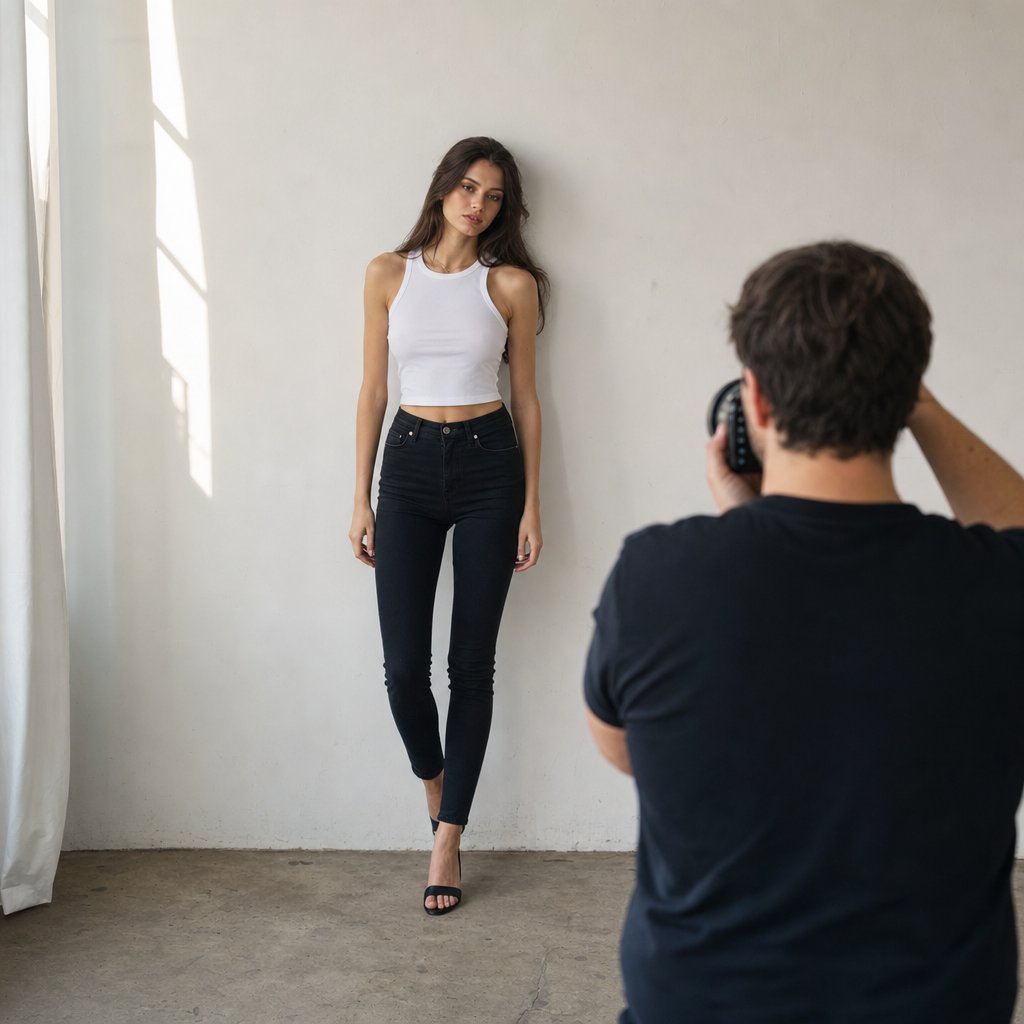
Start with what the industry calls "digitals" — simple, unretouched photos taken in natural light with minimal makeup and fitted clothing. These are what agencies actually want to see first because they reveal your natural features without distraction. A headshot, a full-body shot, and a three-quarter angle are the essentials. You can shoot these with a smartphone in good lighting or connect with an emerging photographer on Instagram who's willing to trade work for portfolio images.
Once you've gained some experience and feedback, invest in professional test shoots. These add variety and demonstrate your range in front of a camera. For anyone learning how to become a commercial model, a strong commercial model portfolio should include lifestyle shots, smiling images, and product-oriented poses that show versatility and approachability.
Here are the actionable steps for building a portfolio that gets attention:
- Shoot clean digitals first — headshot, full body, and profile in simple clothing with no heavy styling
- Connect with emerging photographers through Instagram or local creative communities for test shoots
- Practice posing in front of a mirror and study how established models use angles and expressions
- Keep your social media curated — Instagram functions as an extension of your portfolio and agencies check it
- Create a comp card with your best 3-5 images, measurements, and contact information
- Update your book regularly as you gain new images from test shoots or early bookings
Agency Representation vs Freelance Modeling
One of the biggest decisions you'll face early on is whether to pursue agency representation or work as a freelance model. Both paths are legitimate, and many successful models actually combine the two. But they offer very different experiences.
Freelance modeling means you handle everything yourself: finding jobs, negotiating rates, managing contracts, and building your personal brand. You keep 100% of your earnings and maintain full creative control over which projects you accept. The tradeoff? Consistent work is harder to find, and you won't have access to the high-profile castings that agencies provide.
Agency representation gives you a team working on your behalf. Agents submit you for castings, negotiate your rates, and connect you with clients you'd never reach independently. In exchange, agencies typically take a 10% to 20% commission on your bookings. You also give up some control over job selection, and contracts can limit which work you take on outside the agency.
Pros of Freelance Modeling
- Full control over your schedule and creative direction
- No commission fees — you keep all earnings
- Freedom to build a personal brand across niches
- Ideal for e-commerce, social media collaborations, and local gigs
Cons of Freelance Modeling
- Inconsistent income and fewer high-paying opportunities
- No professional guidance or career development support
- Higher risk of encountering scams without industry connections
- Requires strong self-marketing and business skills
Pros of Agency Representation
- Access to major campaigns, runway shows, and editorial bookings
- Professional coaching and career strategy
- Built-in credibility with clients and casting directors
- Faster career growth through established industry connections
Cons of Agency Representation
- Commission fees reduce your take-home pay
- Less control over which jobs you accept
- Contracts can be restrictive and exclusive
- Highly competitive selection process to get signed
A practical approach for beginners? Start freelance to build experience, grow your social media presence, and develop a solid portfolio. Then apply to agencies once you have strong images and some professional credits behind you. This gives you a much higher chance of getting signed than approaching agencies cold with no experience.
What Agencies Actually Look For
If you're wondering how do you become a model through the agency route, understand this: agencies aren't just evaluating your appearance. They're assessing your potential as a long-term investment. Francis Arden, agency director at MSA Models, puts it directly — "You're not just a pretty face. We want to know who this person is. What's her purpose? What drives her?"
Most agencies accept submissions through their websites, typically requesting unretouched digitals — a clean face shot without makeup and a full-body image in form-fitting clothing or swimwear. Many also hold weekly open calls where aspiring models can show up in person. Research which agencies represent models with your look and body type before submitting. Sending runway-focused digitals to a commercial agency wastes everyone's time.
For those exploring how to get into commercial modeling specifically, agencies on the commercial side care less about strict height requirements and more about your smile, energy, and ability to connect with a camera naturally. A warm, approachable presence often matters more than measurements.
As for education requirements for modeling, here's the honest answer: no formal degree is required. The professional models and agency directors interviewed by Backstage are split on whether modeling classes help, though none consider them mandatory. What does help is business knowledge — understanding contracts, managing finances, and marketing yourself effectively. Those skills separate models who sustain careers from those who burn out quickly.
One critical warning: legitimate agencies never charge upfront fees, require you to use their photographers, or pressure you into paid classes. If an agency seems eager to sign you regardless of experience while asking for money, that's a scam. Reputable agents earn their income through commission on the work they book for you, not through selling services.
Whether you're searching for modeling jobs near me or targeting major markets like New York and Los Angeles, the path forward requires patience, strategic self-presentation, and realistic expectations. But the steps themselves aren't mysterious — they just demand consistency and a willingness to treat modeling like the business it is.
Physical Requirements and the Push for Diversity
Treating modeling like a business means understanding what the market demands from your model body. Physical standards have long been the industry's most controversial topic, and for good reason. They've historically excluded far more people than they've welcomed. But the landscape is shifting, and knowing where things stand helps you navigate the profession with clear eyes.
Traditional Industry Standards and Measurements
While no single governing body dictates exact requirements, agencies and casting directors still work within general parameters. These vary significantly by category. Here's what current industry averages look like across major modeling types:
- Fashion/Runway (female model) — Typically 5'9" or taller, with a waist roughly 10 inches smaller than chest and hips. Sizes 0-4 remain standard for sample garments, though this is evolving.
- Fashion/Runway (male modeling) — Usually 6' to 6'5", wearing a size 40-42 top with a 32-inch waist. Guy models in high fashion face height requirements just as rigid as their female counterparts.
- Commercial — Far more flexible. Women are generally at least 5'6", men at least 5'10", but relatability matters more than strict measurements.
- Plus-size — Women size 12 and above, with chest measurements typically 41" to 45". Men need a chest larger than 42" and waist above 34".
- Female fitness models — Height varies, but body fat percentage between 15% and 17% is the general benchmark. Visible muscle tone and an athletic build take priority over traditional model proportions.
- Petite — Women between 5'2" and 5'6" with slightly smaller proportions than straight-size counterparts.
- Teen model — Agencies often scout teens as young as 14-16 for development, looking for bone structure and growth potential rather than finished measurements. Parental involvement and ethical protections are critical at this stage.
These numbers represent averages, not absolute rules. Still, they've shaped who gets through the door for decades.
How Diversity Is Reshaping Model Requirements
The good news? Those doors are widening. Curvy models like Ashley Graham and Paloma Elsesser have walked runways for major houses, proving that beauty and commercial viability aren't confined to a size 2. Brands like Savage X Fenty and Aerie have built entire campaigns around size inclusivity, and hijab-wearing models, models with disabilities, and non-binary talent are appearing in spaces that once seemed impenetrable.
As model Jillian Mercado, one of the first professional fashion models with a visible physical disability, has noted: "We've been bringing a lot of well-deserving people and communities to the limelight... the industry is opening up to that, and we're seeing really great results."
Yet honesty matters here. A Refinery29 analysis found that plus-size representation on runways dropped from 2.8% of all models during spring/summer 2020 to just 0.8% by spring/summer 2025. The rise of GLP-1 weight loss drugs and a cultural drift back toward thinness have complicated the progress narrative. Model Lauren Chan described the situation bluntly: the industry reached an exciting place where unknown plus-size models were getting exclusive bookings and building real careers in high fashion, and then "that's pretty much stopped."
So where does that leave aspiring models whose bodies don't fit traditional parameters? The picture is mixed but not hopeless. Social media has decentralized who gets visibility. Brands targeting real consumers still need diverse representation. And the conversation itself, the fact that regression gets called out publicly, signals that the old standards no longer go unchallenged.
What hasn't changed is this: whatever your body type, the models who build lasting careers are the ones who understand their market, target the right agencies, and treat their physical attributes as assets rather than limitations. The requirements are real, but they're no longer a single mold everyone must fit.
Fashion Model Salary and What Affects Earnings
Understanding your market and body type matters, but let's address the question that follows every aspiring model's first casting call: how much will I actually earn? Fashion model salary figures get thrown around online without much context, and the reality is far more nuanced than a single number can capture.
Average Fashion Model Earnings by Category
The U.S. Bureau of Labor Statistics reports a median annual wage of $47,430 for models, with the bottom 10% earning around $31,680 and the top 10% pulling in over $140,310. The mean annual wage sits at $68,700. But these numbers blend every type of modeling into one bucket, which hides how dramatically fashion model income varies depending on what kind of work you're doing.
So how much do commercial models make compared to their high-fashion counterparts? Here's a realistic breakdown based on industry reporting:
| Model Type | Entry-Level Pay | Experienced Pay | Top-Tier Pay |
|---|---|---|---|
| Runway | $0-$200 per show (some work for trade) | $500-$2,500 per show | $20,000+ per show |
| Editorial Fashion | Free to $100/hour (portfolio building) | $2,500-$7,000 per overseas trip | $10,000-$25,000 per assignment |
| Commercial | $25-$75/hour (small markets) | $200/hour or $1,000/full day | $2,500-$20,000 (pharmaceutical/healthcare) |
| Showroom/Fit | $95/hour | $150-$200/hour | Steady hourly with repeat clients |
| Stock Photography | $30/hour | $30/hour (no royalties) | Volume-based income only |
Notice something counterintuitive? Commercial modeling salary often provides more consistent income than high-fashion work. A new runway model might not get paid at all for early shows, while a commercial model booking half-day catalog shoots can gross $500 per session from the start. The commercial modeling pay structure rewards volume and reliability, whereas fashion work is feast-or-famine by nature.
What Affects How Much a Model Gets Paid
Several factors create the enormous gap between a model earning $31,000 and one earning six figures:
- Location — Models in New York earn a mean annual wage of $91,690, while those in Los Angeles average $83,680. Smaller markets like Ohio average $56,430. Where you work shapes your commercial model salary ceiling significantly.
- Representation — Agency-represented models access higher-paying clients but give up 10% to 20% in commission fees. Most agencies charge around 20%, and taxes aren't withheld from modeling pay, so budgeting for both is essential.
- Usage and exclusivity — A billboard running nationally can add $5,000 to $20,000 in bonuses. If a client wants exclusivity (preventing you from working with competitors), expect an additional $3,000 to $10,000 on top of session fees.
- Experience level — Beginners often work for free or trade to build portfolios. Mid-career models with strong books command standard day rates. Supermodels and top commercial talent negotiate custom packages.
- Job type — Pharmaceutical and healthcare modeling pays the highest commercial rates ($2,500-$20,000 per booking), while editorial fashion work for magazines sometimes pays nothing at all.
Financial instability is the reality most models live with, especially early on. There's no union setting minimums for fashion and commercial models, income fluctuates seasonally, and expenses like travel, comp cards, and agency fees eat into earnings before you see a dollar. Treating modeling as a business means tracking every expense, saving aggressively during busy periods, and understanding that the commercial modeling salary averages you read online represent a wide spectrum, not a guarantee.
Money tells part of the story. But the way models find work, build visibility, and sustain careers has fundamentally changed in the last decade, and that shift is rewriting the earning equation entirely.
How Social Media and Technology Changed Fashion Modeling
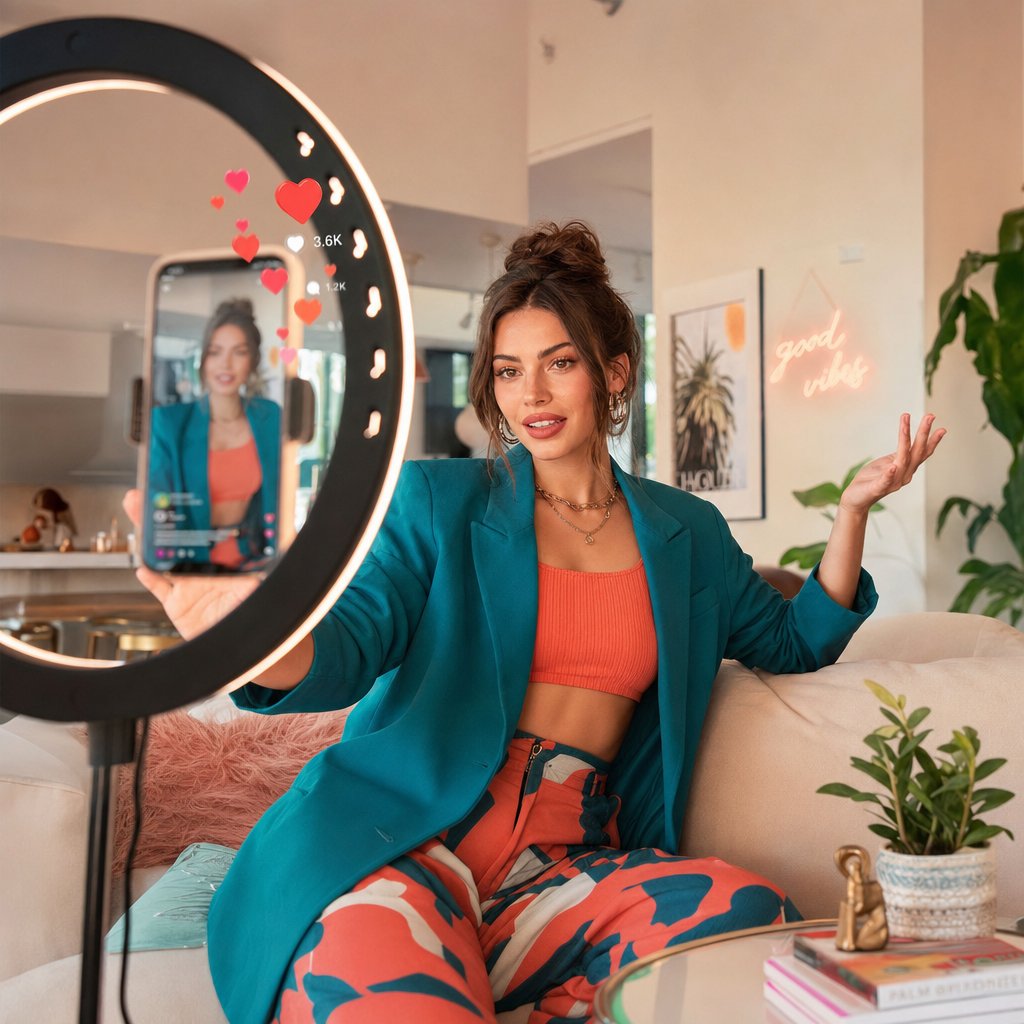
A decade ago, the path into modelling ran through a handful of gatekeepers: agencies, casting directors, and magazine editors. If they didn't notice you, your career stalled before it started. Social media dismantled that bottleneck. Platforms like Instagram and TikTok gave aspiring models something agencies once controlled entirely — direct access to an audience of millions.
Social Media as a Modeling Launchpad
Think about how discovery works now. A model posts a styling video on TikTok, it goes viral overnight, and within weeks an agency reaches out. That's not hypothetical. Fashion Week Online profiled several young models whose careers followed exactly this trajectory. Wisdom Kaye built a massive following through bold, editorial-style outfit videos on TikTok and Instagram, which led directly to luxury brand collaborations and runway bookings. Brynne Rosetta was scouted by a major agency after gaining attention purely through her social media content. Alex Consani turned an authentic, playful TikTok presence into professional runway work and brand partnerships.
These aren't outliers anymore. They represent how modeling and fashion intersect in the current landscape. Instagram functions as a living portfolio — agencies openly check a model's feed before signing them. TikTok acts as a casting reel where personality, movement, and styling ability matter as much as bone structure. The hashtag #commercialmodel alone has hundreds of thousands of posts from aspiring and working models showcasing their range to potential clients.
What does this mean practically? IG models who build engaged followings can bypass traditional scouting entirely. Brands increasingly book talent based on social reach and audience demographics rather than agency submissions alone. The line between "content creator" and "professional model" has blurred to the point where many working models occupy both roles simultaneously, creating sponsored content one day and shooting a catalog the next.
For aspiring models, this shift is empowering. You no longer need to live in New York or Paris to get noticed. A phone, good lighting, and consistent content can build the visibility that once required years of open calls and rejection. Ella Halikas, for example, used TikTok and Instagram to promote body positivity and challenge traditional beauty standards, turning her advocacy into a legitimate fashion and modeling career.
Virtual Models and AI-Generated Fashion Imagery
Social media opened the door. Artificial intelligence is now walking through it. Virtual models and AI-generated fashion imagery represent the next disruption, and the industry is still figuring out what it means.
In early 2025, H&M announced it would create AI "twins" of 30 real models for use in social media posts and marketing imagery. Each model gives permission, receives payment when their digital likeness is used, and can even book their AI twin out to other brands. One of the participating models described her replica as "like me, without the jet-lag." Levi's, Hugo Boss, and Zalando have also experimented with AI-generated model imagery through companies like Lalaland AI.
The technology raises real concerns. Casting agent Chloe Rosolek told The Guardian that AI is "frightening" for models who typically work e-commerce shoots, the bread-and-butter jobs that keep most careers financially viable. Bectu, the UK creative industries union, found that 54% of workers surveyed believed AI would negatively impact the fashion industry. Entry-level modelling jobs face the most immediate threat because brands can now produce high-volume product imagery at a fraction of traditional shoot costs.
Yet the picture isn't entirely bleak. Brands still need human models for runway shows, editorial storytelling, and campaigns where authenticity drives consumer trust. Former Harper's Bazaar editor Lucy Yeomans pointed out a key limitation: AI struggles with creative unpredictability. If a designer puts a belt halfway down a skirt, AI flags it as wrong because it doesn't understand intentional rule-breaking.
For brands seeking polished fashion visuals, the options have expanded dramatically. Traditional model bookings, influencer partnerships, user-generated content, and now AI-powered imagery all coexist. The question isn't whether technology will replace human models entirely — it won't. The question is how the relationship between fashion and modeling evolves when brands can choose from this wider toolkit depending on their budget, timeline, and creative goals.
Whether you're building a career in front of the camera or running a brand that needs compelling imagery, understanding these shifts matters. The models who thrive going forward will be the ones who treat their personal brand, social presence, and adaptability as core professional assets — not just their measurements.
How Fashion Brands Use Model Imagery to Sell
Adaptability matters for models, but it matters just as much for the brands hiring them. Behind every campaign, lookbook, and product page sits a business decision: how do we present this clothing in a way that makes people buy? The answer, overwhelmingly, involves putting garments on people. A clothing model transforms a flat product into something a shopper can imagine wearing, and that shift in perception directly impacts revenue.
Why Model Imagery Drives Fashion Sales
Consider what happens when you browse an online store. A garment photographed flat on a white surface tells you its color and basic shape. That same garment on a model for fashion campaigns tells you how it drapes, how it moves, and how it fits a real body. That difference isn't just aesthetic — it's financial.
Research shows that 90% of online shoppers cite photo quality as the top driver behind their purchase decisions. On-model imagery specifically has been shown to increase conversion rates by up to 33% compared to lower-quality visuals, while also reducing product return rates by as much as 22%. When customers can accurately envision fit and style, they buy with more confidence and send fewer items back.
This is why commercial fashion brands invest heavily in model photography across every channel. Lookbooks establish seasonal narratives. Product pages need multiple angles showing how fashion model clothing looks in motion. Social ads require scroll-stopping imagery that communicates style in under two seconds. Each touchpoint demands polished visuals of real people modeling clothes, and the volume adds up fast.
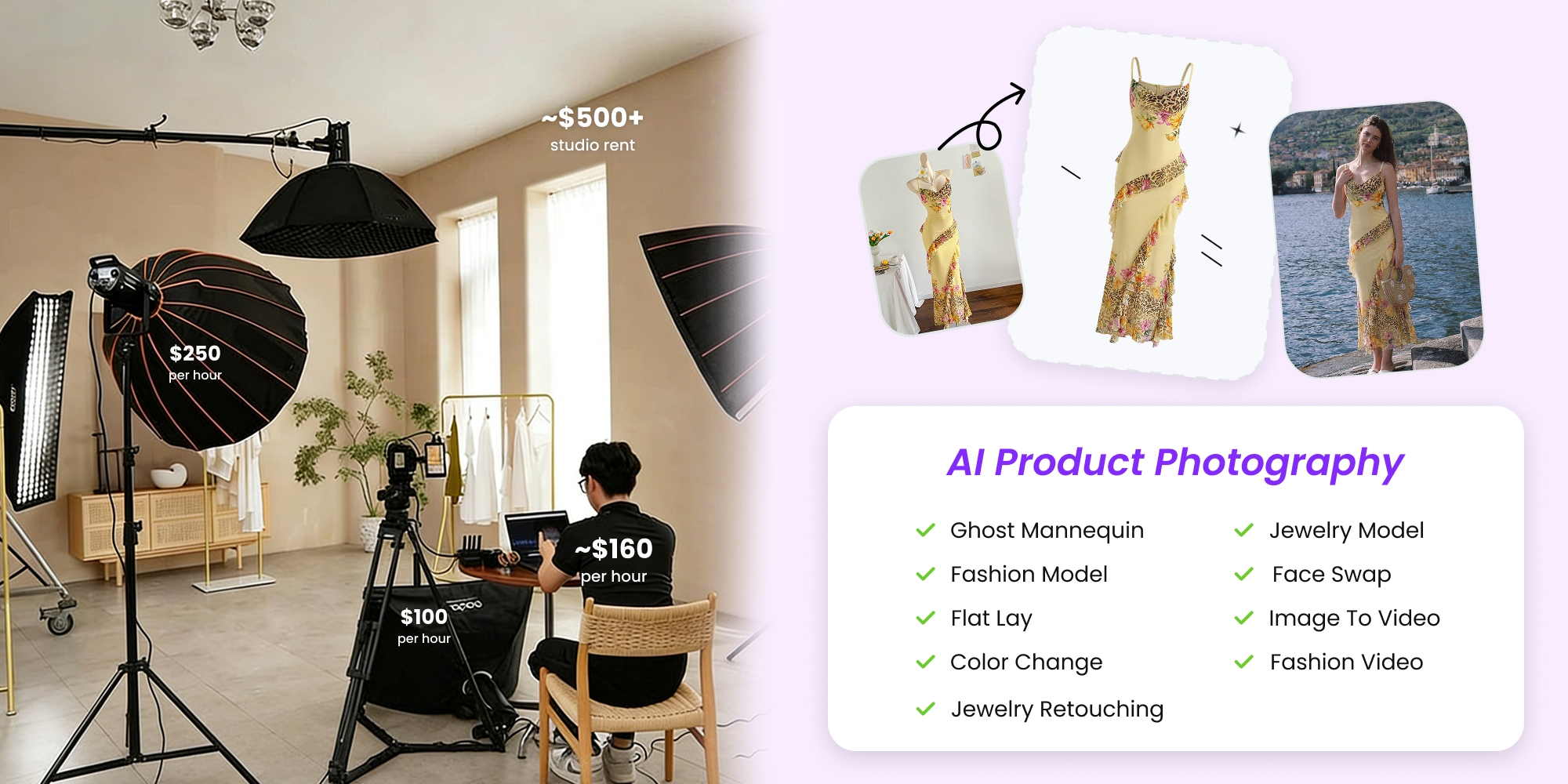
A mid-size fashion brand launching 200 SKUs per season might need six images per product — that's 1,200 individual shots requiring models, photographers, studios, stylists, and retouching. Traditional photoshoots for this scale run $2,000 to $5,000 per session for small brands, with total costs reaching tens of thousands of dollars per collection. The demand for high-volume visual content has pushed many teams to look for faster, more scalable approaches.
Modern Solutions for Creating Fashion Visuals
The gap between what brands need and what traditional shoots can deliver has created space for new tools. AI-powered fashion imagery has matured rapidly — an estimated 40% of all e-commerce apparel listings will feature AI-generated product images by end of 2026, and the AI in fashion market reached $2.92 billion in 2025. Brands that once relied exclusively on booking a clothing fashion model for every product shot now have additional options.
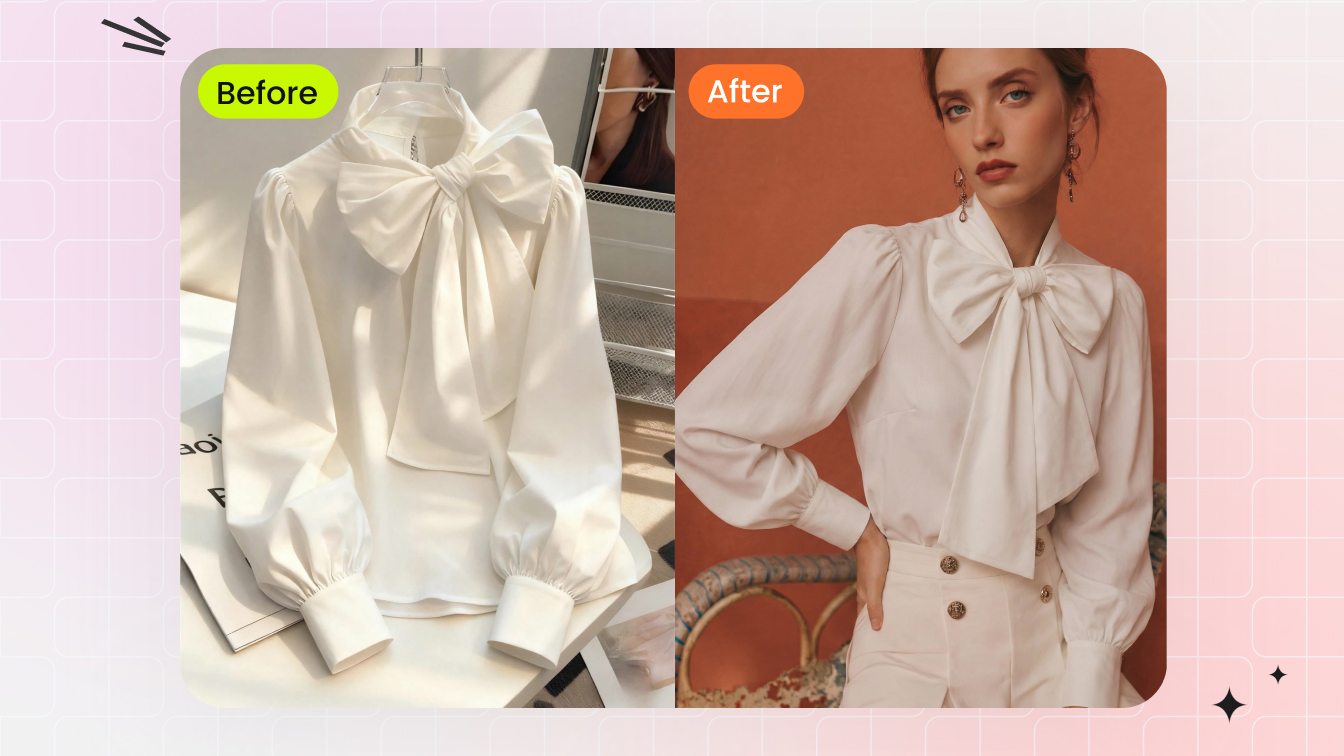
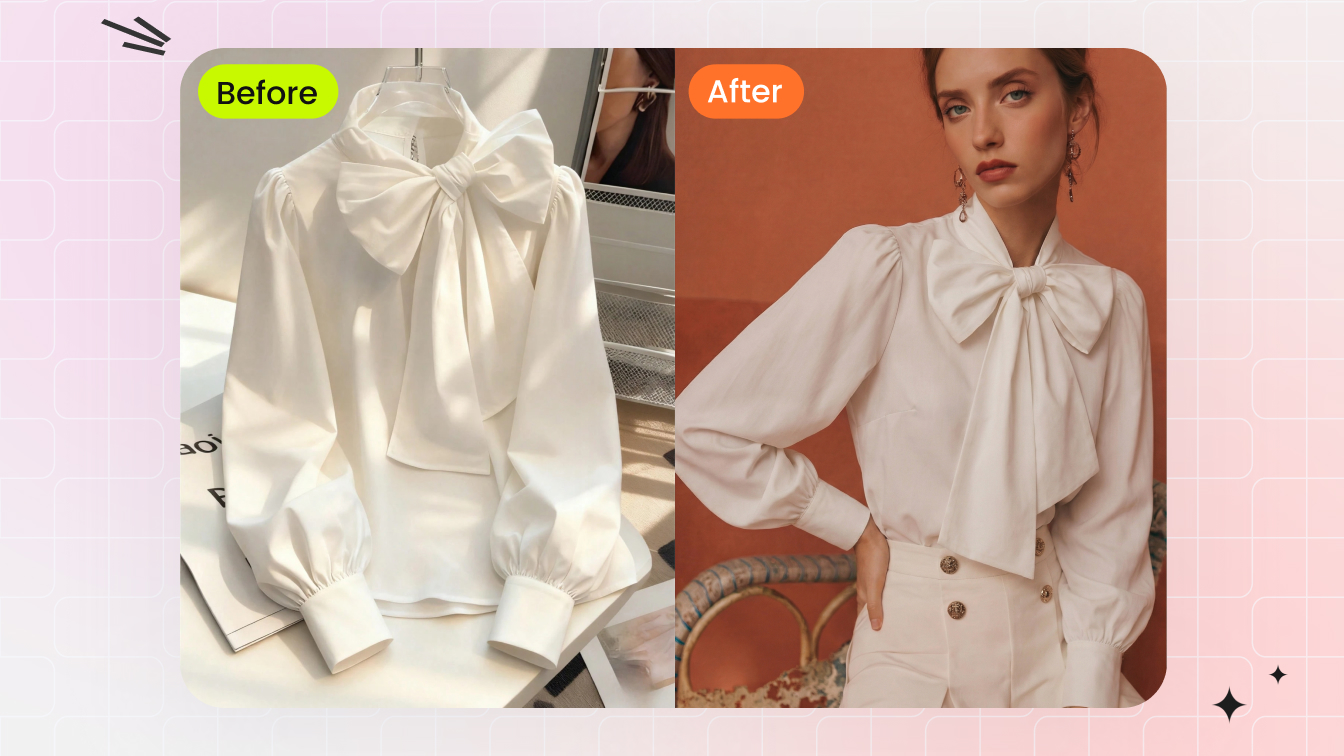
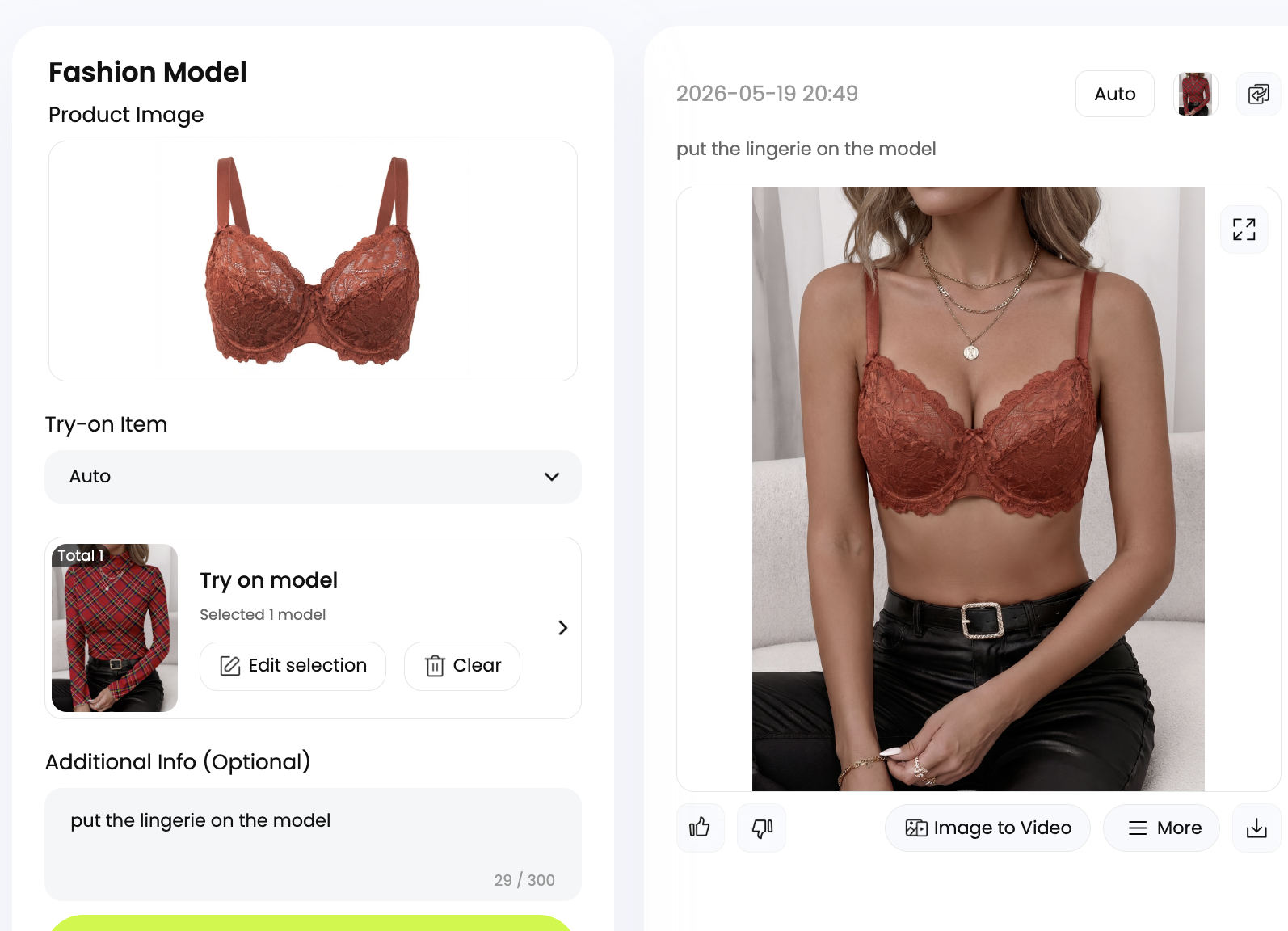
For fashion brands, ecommerce teams, and marketers who need professional visuals without the logistics of traditional model bookings, tools like Snappyit's Fashion Model offer a practical starting point. These solutions let teams generate polished on-model imagery that supports product presentation across storefronts, ads, and social content.
Here are common use cases where AI-powered fashion model imagery benefits brands:
- Generating on-model product photos for large catalogs without scheduling individual shoots for every SKU
- Creating consistent model fashion design visuals across color variants and size ranges
- Producing lifestyle and campaign imagery for social media at the pace content calendars demand
- Testing different model looks and styling approaches before committing to a full production shoot
- Scaling visual content for international markets where diverse representation matters
None of this eliminates the need for human models entirely. Runway shows, editorial storytelling, and brand campaigns built on authenticity still require real people. But for the high-volume, product-focused imagery that drives daily ecommerce sales, technology gives fashion design models and creative teams a way to keep pace with demand without sacrificing visual quality. The brands thriving in this space treat AI tools and traditional bookings as complementary rather than competing approaches — choosing the right method based on the creative goal, timeline, and budget at hand.
Career Growth and Life Beyond the Runway
Choosing the right tools and methods keeps brands competitive, but what about the people in front of the camera? A modeling career description rarely mentions what happens after the bookings slow down. Yet for anyone seriously asking what's modeling as a long-term profession, the answer depends less on how long you stay in front of the lens and less on what you build while you're there.
Career Paths Beyond Active Modeling
A Cornell University study found that only 20% of models remain active after age 30. That statistic sounds harsh, but it doesn't mean careers end at 30 — it means they evolve. The models who plan ahead turn their industry experience into second acts that often prove more lucrative and fulfilling than their runway years.
What are models doing after their active careers? The transition paths are broader than most people realize:
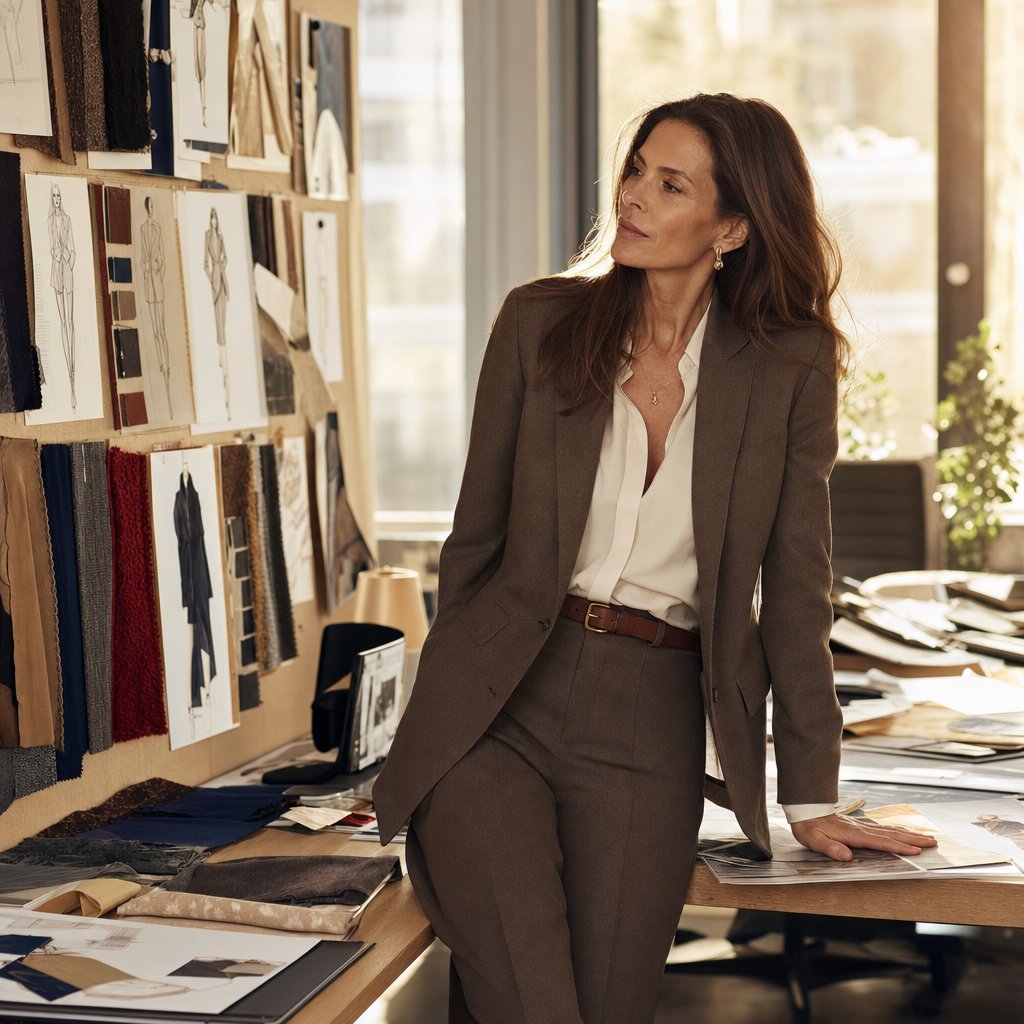
- Creative direction — Kendall Jenner became Creative Director at FWRD, overseeing curation and campaigns. This path from model to brand architect is increasingly common across fashion and luxury.
- Entrepreneurship — Many former models launch agencies, consulting firms, or product lines. The industry connections and brand knowledge built during active modeling translate directly into business ownership.
- Styling and photography — Years spent observing how garments work on camera give retired models a natural advantage behind the lens or on the styling rack.
- Brand ambassadorship and influencing — Social media influence built during a modeling career can sustain income for decades through partnerships and content creation.
- Education and mentorship — Teaching aspiring models, consulting for agencies, or coaching on posing and self-presentation.
In modeling terms, the profession has shifted from a short sprint to a potential long game. Supermodels like Naomi Campbell and Cindy Crawford built empires precisely because they treated modeling as a platform rather than a destination. The career itself was the launchpad, not the ceiling.
Challenges Every Fashion Model Faces
Honesty matters here. What is the life of a model like on a daily basis? It involves far more rejection than acceptance. Even successful models hear "no" at the vast majority of castings. That constant evaluation takes a psychological toll, particularly when feedback targets your body, face, or age — things largely outside your control.
Financial instability compounds the pressure. Irregular income, seasonal work patterns, and early-career periods of working for free or trade create stress that rarely gets discussed publicly. Add travel demands, time away from support systems, and an industry culture that has historically normalized unhealthy body standards, and you have a profession that requires genuine mental resilience alongside physical attributes.
None of this means modeling isn't worth pursuing. It means going in with realistic expectations and a plan that extends beyond your active years gives you a significant advantage over those who don't.
Whether you're exploring a model career description for yourself or building a fashion brand that relies on compelling imagery, the modeling profession sits at an inflection point. Human creativity, personal branding, and technology are converging in ways that create opportunity on every side. For those ready to take a practical next step — whether that means building a portfolio or exploring how tools like Snappyit's Fashion Model page can streamline visual content creation — the resources available today make this career more accessible and more multidimensional than ever before.
Frequently Asked Questions About Fashion Models
1. What does a fashion model actually do?
A fashion model serves as a visual communicator who brings clothing designs, accessories, and brand narratives to life through body movement, expression, and presence. Their work spans runway shows, editorial magazine spreads, advertising campaigns, catalog shoots, and digital content creation. Rather than simply wearing clothes, they translate a designer's creative vision into imagery that audiences connect with emotionally, helping drive purchasing decisions and shape cultural perceptions of style.
2. What is the difference between a fashion model and a commercial model?
Fashion models create aspirational imagery for designers and luxury publications, emphasizing artistic storytelling and aesthetic vision. They face strict physical requirements, typically needing to be 5'8" to 5'10" for women, and their careers often peak before age 25. Commercial models focus on product relatability and broad consumer appeal, working in catalogs, lifestyle ads, and retail campaigns. They enjoy more flexible physical requirements, longer career longevity, and often earn more consistent income because brands need people who reflect their actual customer base.
3. How much money do fashion models make?
Fashion model earnings vary dramatically by type, experience, and location. The U.S. Bureau of Labor Statistics reports a median annual wage of $47,430, but this ranges from $31,680 for the bottom 10% to over $140,310 for top earners. Runway models may earn nothing for early shows or $20,000+ at the top level. Commercial models often earn more consistently, with rates around $200/hour for experienced talent. Location matters significantly too, with New York models averaging $91,690 annually compared to $56,430 in smaller markets like Ohio.
4. Do you need a degree or formal education to become a model?
No formal degree is required to become a fashion model. Industry professionals and agency directors generally agree that modeling classes are not mandatory, though some find them helpful. What matters more is business knowledge, including understanding contracts, managing finances, and marketing yourself effectively. Building a strong portfolio starting with simple digitals, maintaining a curated social media presence, and submitting to reputable agencies are the practical steps that lead to bookings rather than academic credentials.
5. How is AI changing the fashion modeling industry?
AI is reshaping fashion modeling primarily in high-volume e-commerce imagery. Major brands like H&M have created AI twins of real models for marketing content, and an estimated 40% of all e-commerce apparel listings may feature AI-generated product images by end of 2026. However, human models remain essential for runway shows, editorial storytelling, and campaigns requiring authentic emotional connection. Tools like Snappyit's Fashion Model (https://snappyit.ai/fashion-model) help brands generate polished on-model visuals efficiently, complementing rather than replacing traditional model bookings for product-focused content needs.
Generate your first AI fashion model image in 90 seconds
Need a fashion model on every product page but not the budget for a full shoot? Snappyit AI Fashion Model generates on-brand, on-pose, on-lighting fashion model imagery from a single flat-lay.
Try Snappyit AI Fashion Model free →