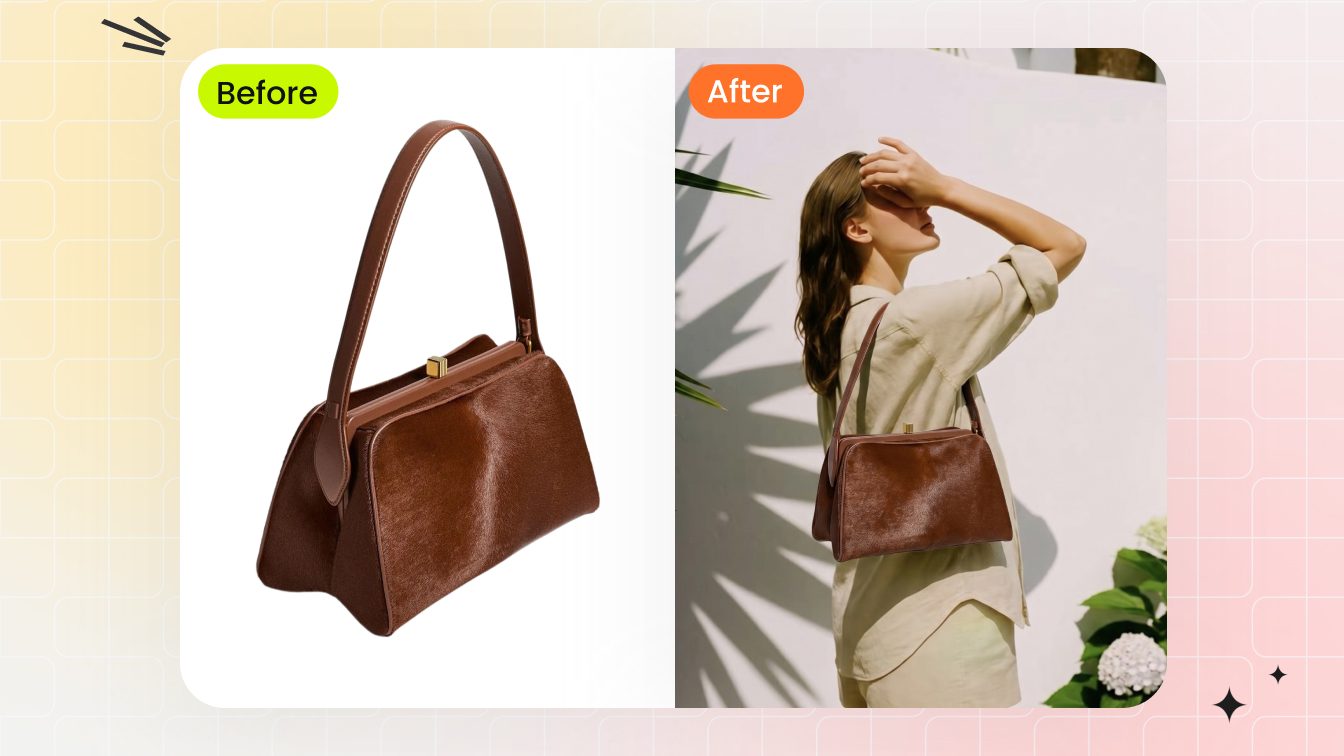

Quick answer: what sells a handbag online
A handbag listing sells when the buyer can judge shape, size, material, condition, interior capacity, strap drop and styling. A single front photo is not enough. Your image set should prove the bag as an object and show how it fits into an outfit.
For new brands, the goal is consistent merchandising. For resale and designer handbags, the goal is trust: condition, authenticity and detail proof matter as much as styling.
Choose the right selling platform
Shopify is best when you own the brand and want control over presentation. Etsy can work for handmade, vintage or customized bags. Amazon rewards clean, compliant product imagery. eBay, Poshmark, Depop and luxury resale platforms work for pre-owned, designer or trend-led bags. Instagram and TikTok Shop help when the bag depends on styling or creator discovery.
The right platform changes the image set. Marketplace buyers want proof. Social buyers need a fast visual reason to care. Your own store needs both.
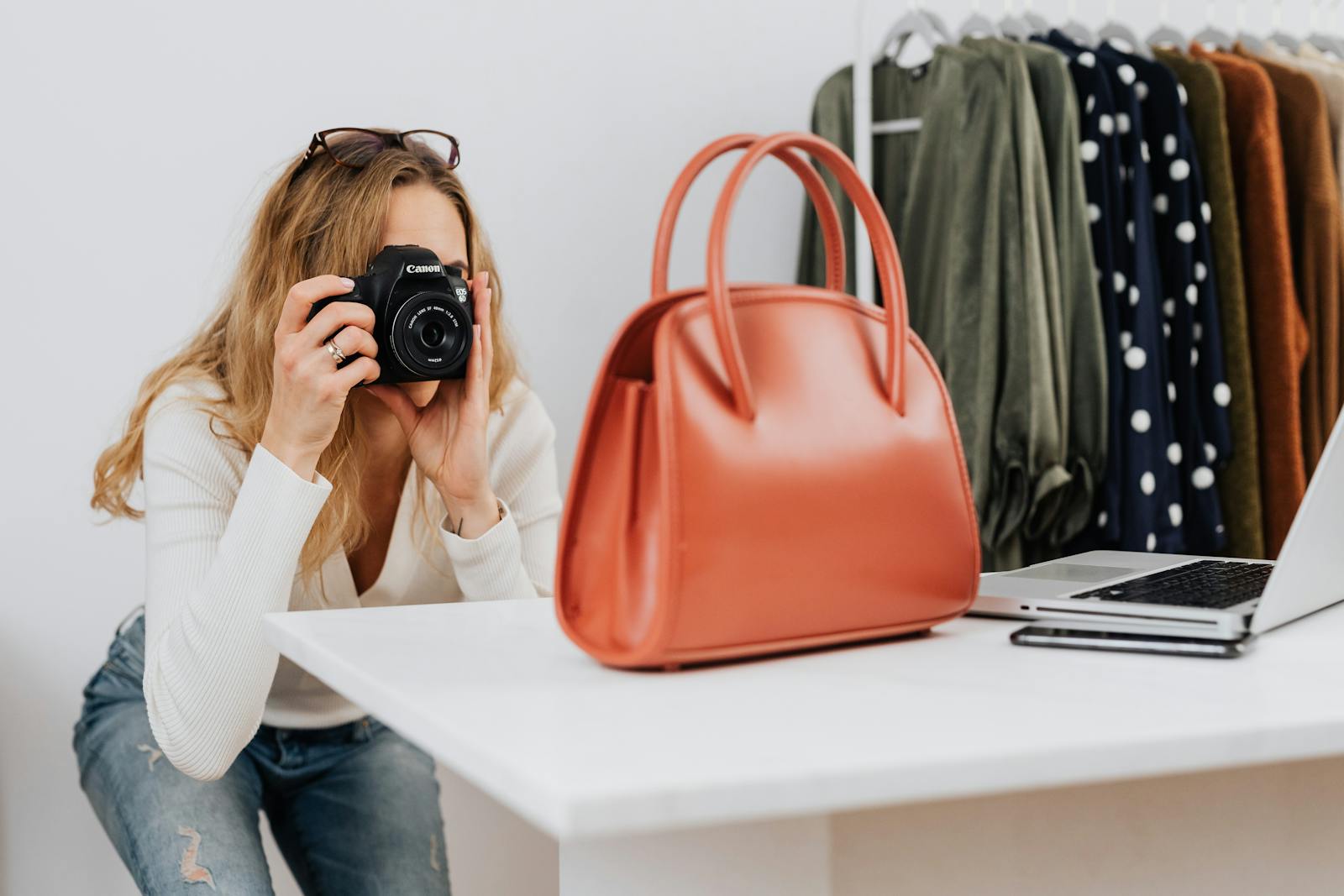
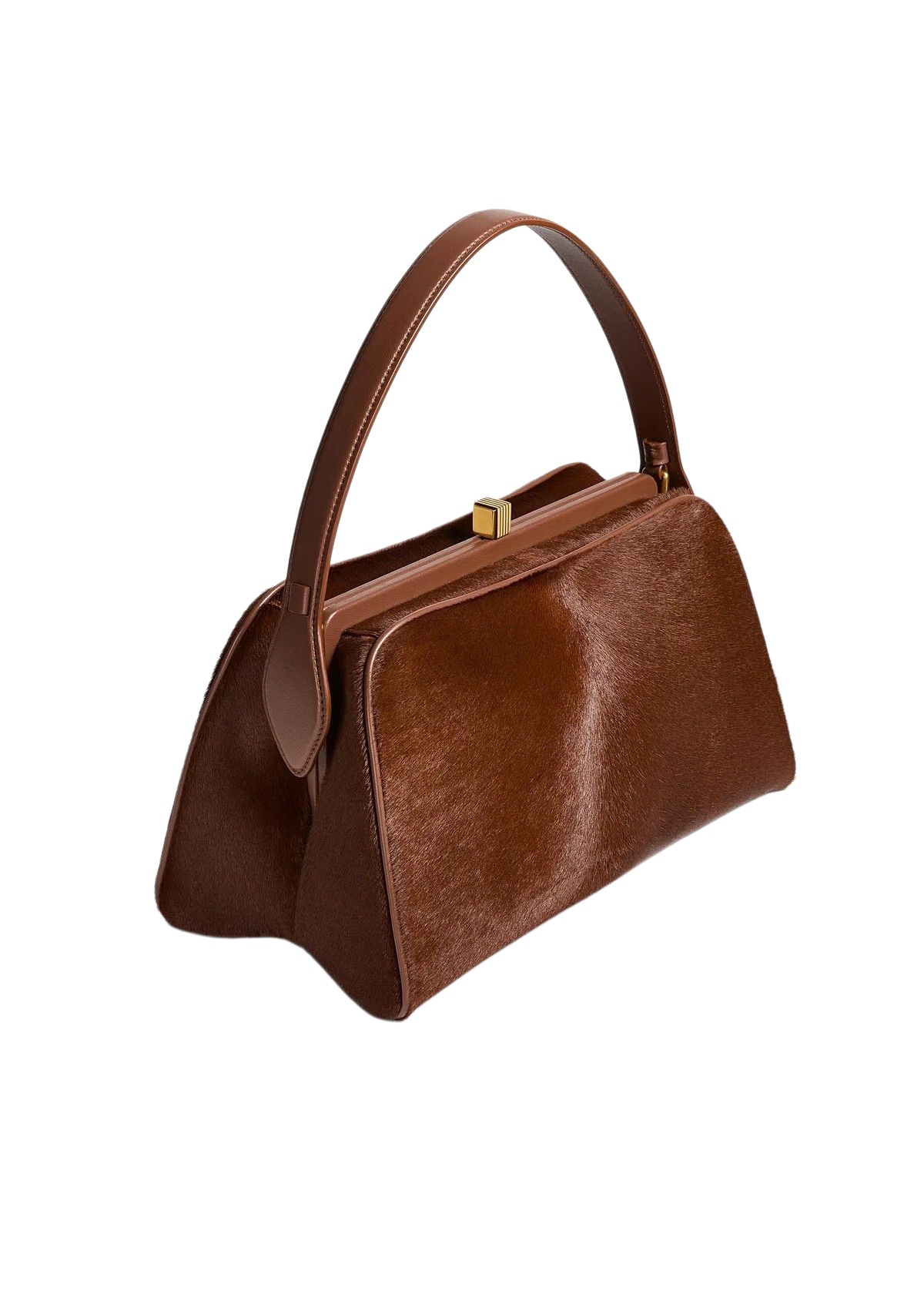 Start with a clean bag image that shows structure and material.
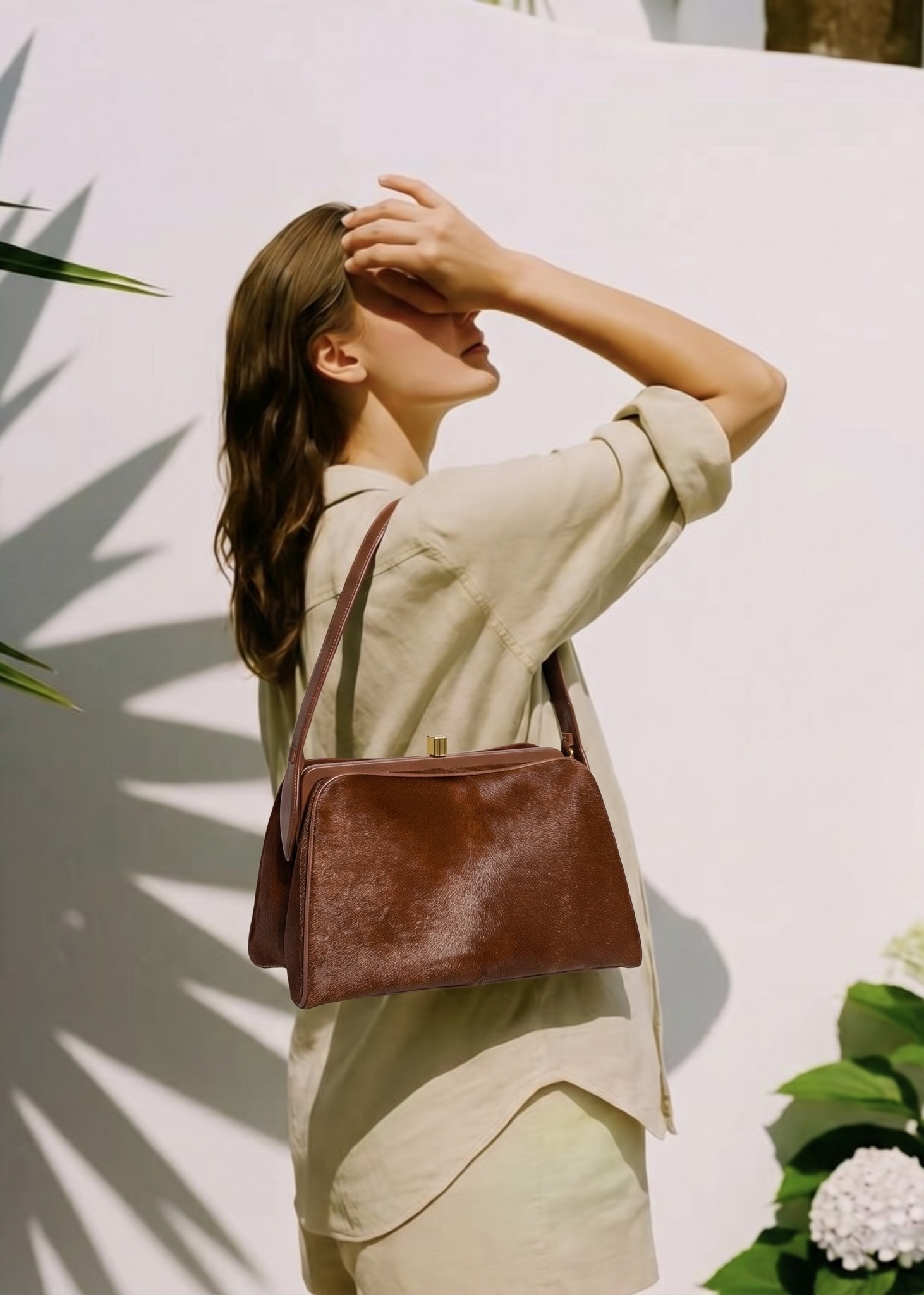 On-model bag images explain scale and styling.
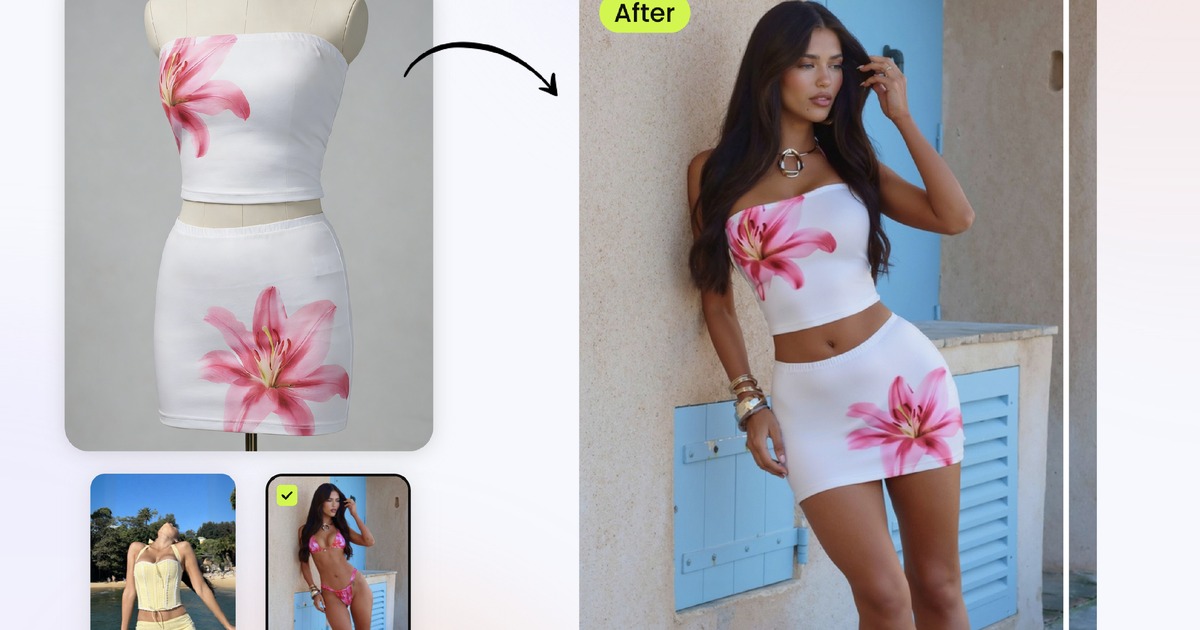
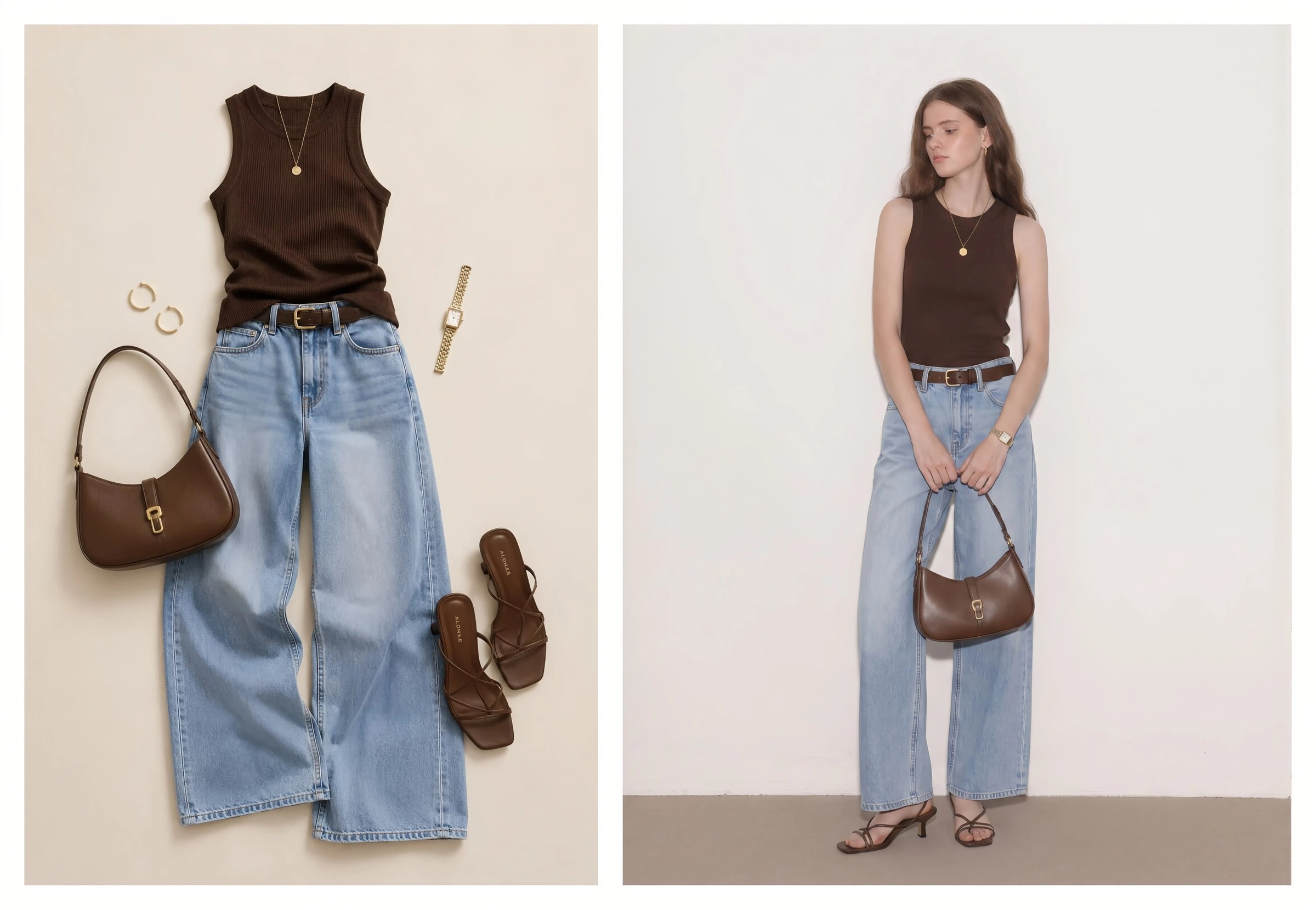 AI can turn a bag reference into a styled ecommerce image.
The handbag photo set
Use a front hero image, side view, back view, interior shot, handle or strap close-up, hardware detail, scale image and styled lifestyle image. If the bag is pre-owned, add clear images of corners, lining, zipper, logo, serial code, stitching and any wear.
A good bag product photo shows structure. Stuff soft bags carefully so they do not collapse. Keep straps untangled. Show the bag closed and open when capacity matters.
Pricing and trust signals
Price by brand, condition, material, rarity, current retail price and comparable sold listings. For designer handbags, do not rely on vague luxury language. Provide proof: close-up hardware, stamp, label, stitching, receipt if available and clear condition grading.
For non-designer fashion bags, emphasize style, use case and dimensions: work tote, crossbody travel bag, mini shoulder bag, evening clutch, laptop tote, vegan leather bag or canvas market bag. The same structure applies to broader accessory listings, but handbags need extra proof around capacity and strap drop.
Use AI for styled bag images
AI can help turn a plain bag packshot into an on-model image, lifestyle campaign image or social creative. Use the clean product photo as your source and review the output for handle shape, hardware, strap placement, color and scale. For bags, jewelry, hats and glasses together, an AI accessory try-on workflow can keep styling assets consistent across a collection.
Do not replace condition proof with AI. Use AI to show styling and use real images to prove the actual item. This split is especially important for resale handbags.
Publishing checklist
Before publishing, check mobile crop, product title, dimensions, material, strap drop, closure, lining, condition, shipping, return policy and image consistency. If the bag is part of a collection, make the category grid visually consistent so buyers can compare styles quickly.
Once the listing is live, reuse the same product image set for ads, email, lookbooks and social posts. The strongest handbag sellers treat photos as reusable assets, not one-off uploads.
New handbag brand vs resale handbag workflow
A new handbag brand should focus on consistency: clean category grids, repeatable model images, colorway comparisons and campaign visuals that make the collection feel intentional. A resale handbag seller should focus on proof: condition, authenticity, real wear, packaging, hardware, stitching and clear disclosure. Both workflows sell bags, but the trust signals are different.
For new products, AI lifestyle images can help create launch assets before a full campaign shoot. For resale, AI should be limited to styling support. The buyer still needs real photos of the actual handbag they will receive.
Turn handbag listing photos into ads and social posts
Once the listing image set is complete, reuse it for paid and organic content. A front product shot can become a collection tile. An on-model image can become a paid social creative. A detail crop can support a carousel explaining hardware, leather, strap or capacity. A lifestyle image can anchor email, Pinterest or Instagram content.
Do not wait until after launch to plan these formats. Shoot or generate square, portrait and vertical versions from the start so every handbag SKU can move from product page to ad creative without rebuilding the content.
Accessory content workflow at a glance
| Step | What to create | Why it matters |
|---|---|---|
| 1. Accuracy image | Clean product photo with shape, color and material visible. | Gives shoppers proof of the actual accessory. |
| 2. Scale image | On-body, on-face, on-foot or carried image. | Shows size, fit and placement. |
| 3. Styling image | Lifestyle, outfit or campaign crop. | Helps shoppers imagine how to use the accessory. |
| 4. Channel crop | Square, portrait and vertical exports. | Adapts the same SKU for Shopify, marketplaces and social. |
Create Accessory Images Faster
Snappyit can help turn clean accessory references into ecommerce-ready product images, on-model previews and social visuals. Keep the original product photo as the accuracy anchor, then use AI images to scale styling and campaign content.
More Resources for Accessory Sellers
 Related guideAI Outfit GeneratorPut clothes and accessories on models for ecommerce styling.
 Related guideAI Product PhotographyCreate clean product visuals, lifestyle scenes and marketplace images.
 Related guideAccessory Photography Without a PhotoshootTurn accessory references into broader ecommerce photo sets.
Frequently Asked Questions
What photos do I need to sell handbags online?
Use front, side, back, interior, hardware detail, strap or handle close-up, scale image and a styled lifestyle image. For resale, add condition and authenticity proof.
Where is the best place to sell handbags online?
Fashion brands often use Shopify and social commerce. Resale sellers may use eBay, Poshmark, Depop or specialist luxury resale platforms. The best channel depends on brand, condition and price point.
Can I use AI images to sell handbags?
Yes, for supporting lifestyle and on-model visuals. Keep real product and condition photos in the listing so buyers can verify the actual bag.
How do I photograph a handbag at home?
Use soft light, a clean background, a stuffed bag shape, untangled straps and close-ups of material, lining and hardware.
How should I title a handbag listing?
Include product type, material, color, size, style and use case, such as black leather crossbody bag or canvas laptop tote for work.
What matters most for designer handbag resale photos?
Condition, authenticity markers, hardware, stitching, label, serial code, corners and lining are critical. Buyers need trust before style.