



The Visual Bottleneck Slowing Fashion Brands in 2026
Drops have gotten faster. Studios have not. The gap is where margin and launch velocity disappear.
Drop velocity is rising fast
Fashion brands now ship 50–200 new SKUs per month, and visuals can't wait on a studio calendar. Miss the launch window and the collection becomes back-catalog before it ever hits the homepage.
Sample-to-PDP latency is brutal
Booking studios, fitting models, lighting setup, shooting, retouching, revision rounds — apparel sample-to-PDP routinely takes 5–10 business days per style. Capsule drops and trend-led collections can't absorb that delay.
Colorway scaling kills margin
Every additional color or fit variant triggers a fresh reshoot, fresh retouching, and another $500–$1,500 invoice per style. For a 30-piece capsule in 5 colors, that's $75K–$225K before a single image ships.
Brand visual drift across shoots
Different photographer, different model, different lighting per shoot means PDPs across the catalog look like they came from different brands. AI-locked templates eliminate the drift across hundreds of SKUs.
The 4-Tool AI Product Photography Workflow for Fashion Brands
Snappyit's apparel-trained AI ships four specialized tools — one for each stage of a fashion brand's catalog pipeline. Use them solo or in series; the same garment sample feeds all four.
Flat-lay sample → PDP-ready ghost mannequin
The catalog standard. Etsy, Amazon, and Shopify image search reward apparel ghost mannequin imagery — Snappyit reconstructs the floating, on-form shot from any flat-lay, hanger, or mannequin photo without a studio.
- Preserves fabric drape, weave, and stitching detail
- Works on phone-snap inputs with wrinkles, bedsheet backgrounds
- Outputs in 30–60 seconds at marketplace-ready resolution
- Native first-class workflow, not metered AI-credit add-on
Garment photo → on-model lookbook imagery
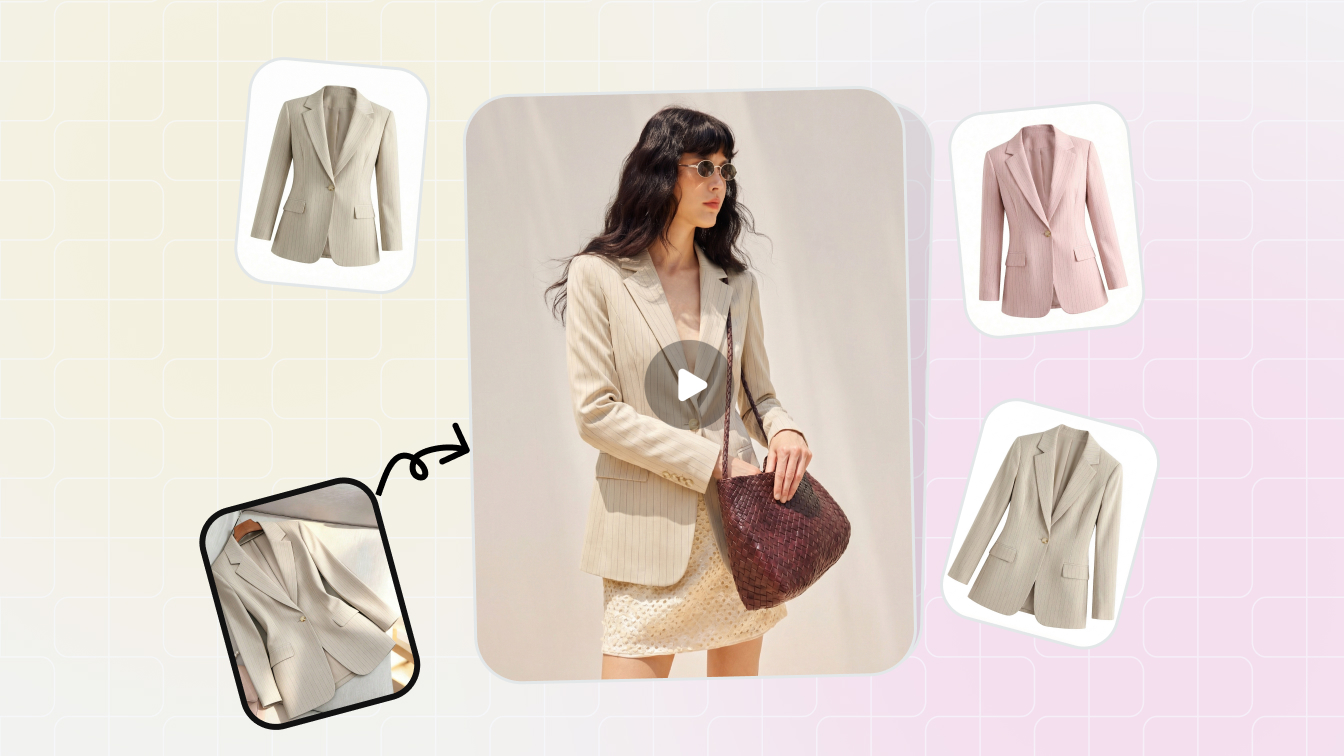
Skip model casting and full-day studio shoots. Snappyit AI Fashion Model puts your garment on a realistic model with explicit controls for body type, pose, ethnicity, styling, and background — the same dimensions a fashion brand directs in a real shoot.
- Pick body type: petite, regular, plus, athletic
- Pick pose: standing, three-quarter, walking, sitting
- Choose diverse model ethnicities and ages
- Generate full lookbook spreads from one source garment
One master sample → every colorway variant
Stop reshooting every color. Drop a single master sample photo and Snappyit AI Recolor generates 5, 10, or 20 colorways in under a minute — fabric texture, weave, sheen, and embellishment detail preserved across every variant.
- Trained on apparel and jewelry texture data (not generic)
- Maintains weave, sheen, and stitching across all swatches
- Handles complex prints, sequins, and metallic fabrics
- Outputs visually consistent against the master sample
Any still → TikTok-Shop & Reels-ready video
Turn any PDP image — yours or AI-generated — into a short product video. Animate walking, runway, pose change, or drape motion. Pair with Fashion Video to dress flat-lays straight onto a video-template model.
- Output ratios: 9:16, 1:1, 4:5, 16:9 — every marketplace spec
- Lifts product-page conversion by 60–95% on apparel
- Cuts return rate by ~35% when fit and drape are visible
- Pair with Fashion Video for flat-lay → on-model video direct
All four tools share the same upload — drop the garment sample once, run any tool, any number of times, no re-upload required. Full AI product photography toolkit billing covers every tool at one subscription tier.
AI Fashion Model — Lookbook & Lifestyle Imagery Without a Shoot
Three quality bars from one source garment: clean PDP on-model, lifestyle hero, and full lookbook spread. Each output uses the same upload — adjust controls, re-render in 45 seconds.


Body type + pose + ethnicity controls
Explicit dropdowns for body type (petite / regular / plus / athletic), pose direction (standing / three-quarter / walking / sitting / over-the-shoulder), and model ethnicity. Same level of art direction you'd give a casting director, available as inputs on every generation.
Background scene as a separate dimension
Pick from clean studio white for PDP, on-location lifestyle backgrounds (urban, beach, indoor home, studio sets) for lookbook and hero imagery, or generate custom backgrounds via prompt for seasonal campaigns. The model and the scene render independently so you can iterate either without recomputing both.
Multi-variant output from one upload
One garment upload → 4 to 8 model + pose variants per generation. Run multiple generations to build a full lookbook spread from a single physical sample in under 10 minutes — work that would take a 1-day studio shoot with 1 model and 1 photographer.
Brand-locked templates for visual consistency
Lock your brand's body-type direction, lighting mood, and background palette once, then re-apply across every garment in a collection. The visual drift you see across multiple studio sessions, photographers, and retouchers doesn't happen — the same underlying AI model runs every job.
Build a complete capsule lookbook from one rack of samples — read the 2026 AI fashion photography tools comparison for how Snappyit AI Fashion Model scores against WearView, Botika, and other apparel-specialists on the same test garment.
Image-to-Video — Turn Every PDP Into TikTok-Ready Motion
Video lifts apparel product-page conversion by 60–95% and cuts return rate ~35% because buyers see fit and drape in motion. Snappyit ships two video tools — pick by your input photo.
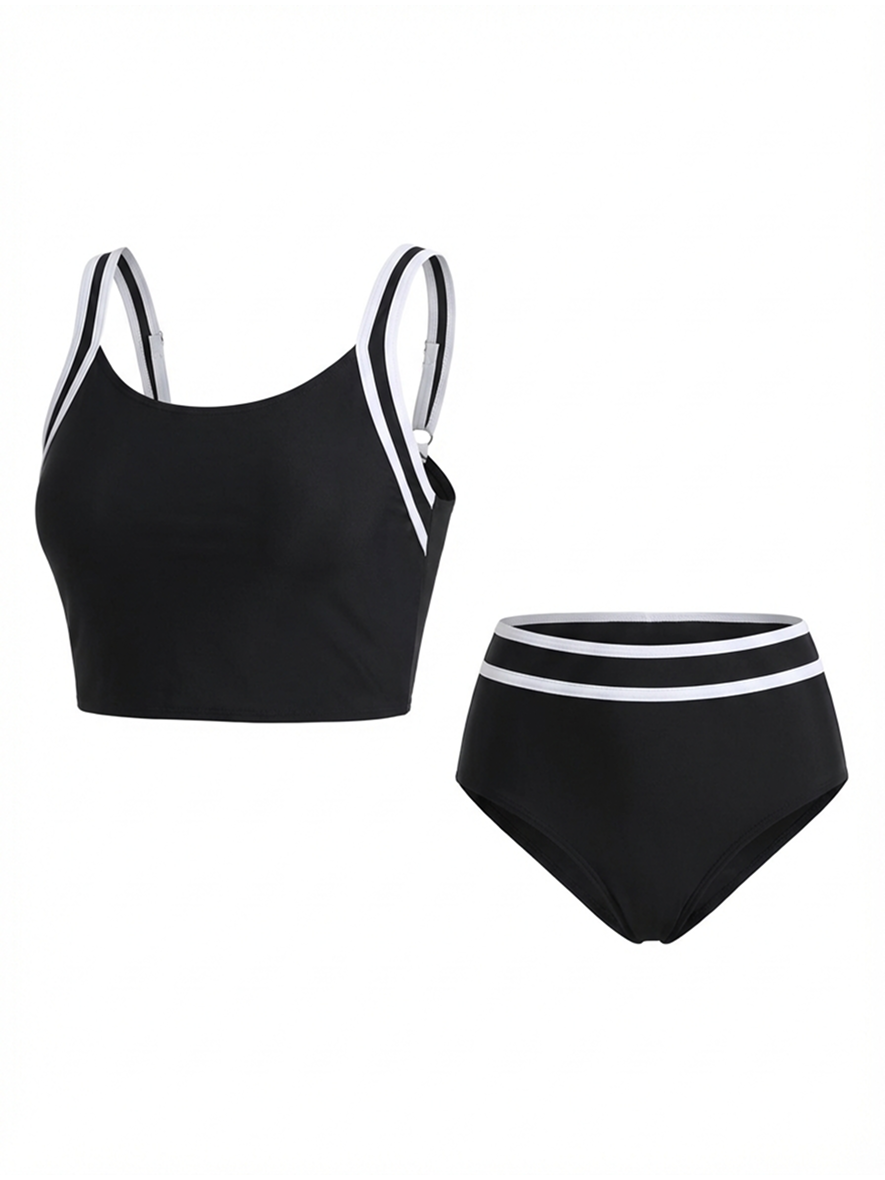
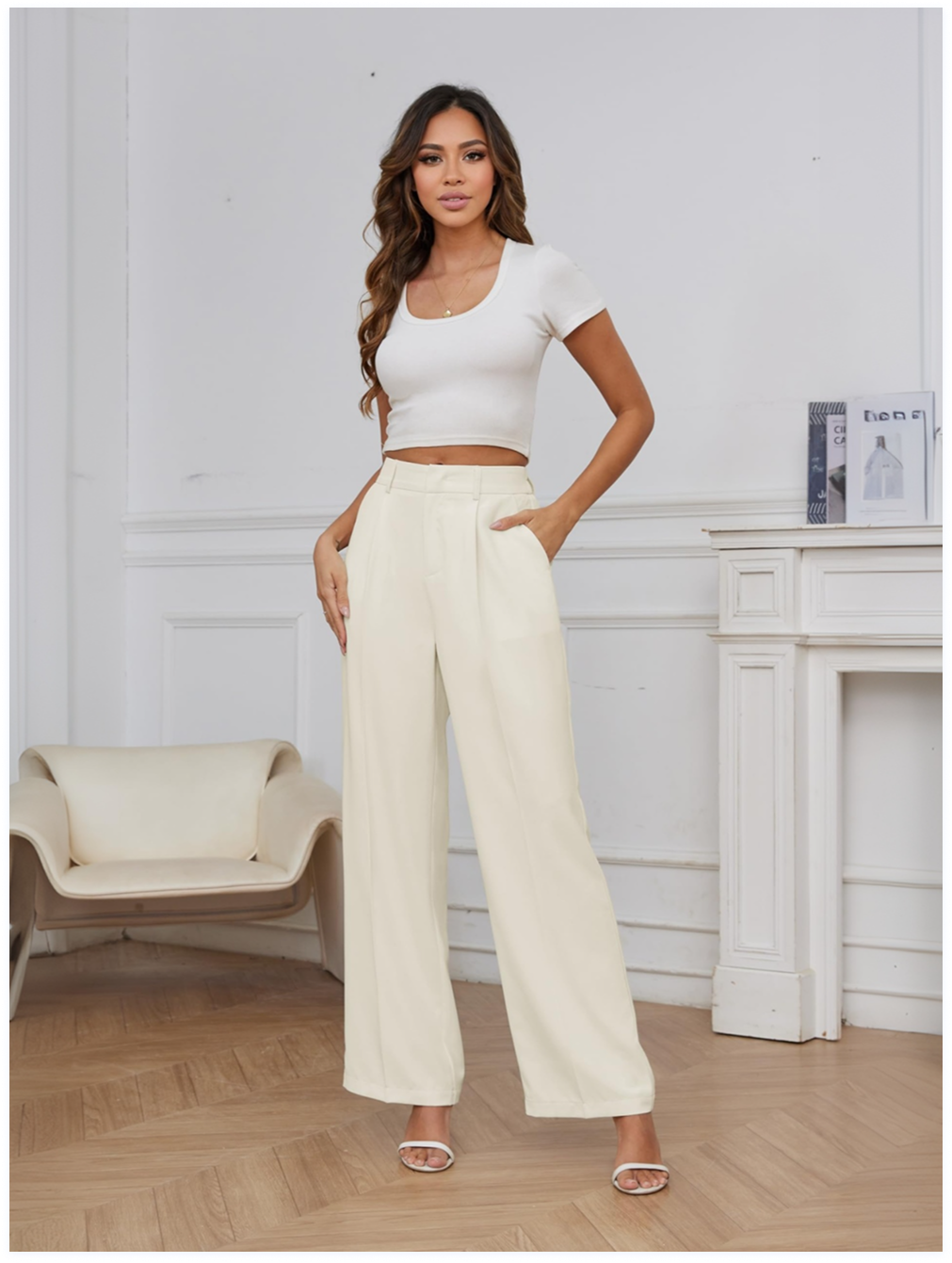
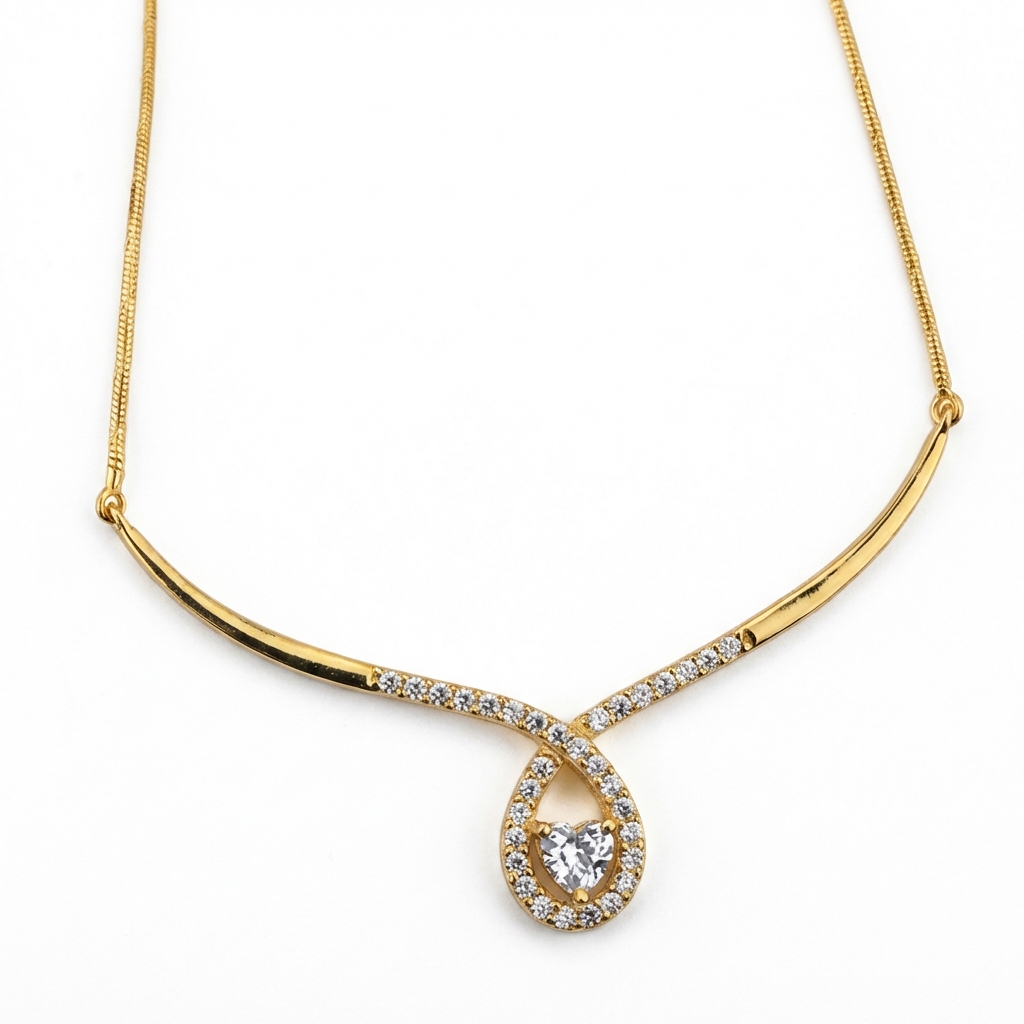
Every marketplace ratio in one workspace
9:16 vertical for TikTok Shop and Reels, 1:1 square for Instagram feed and Etsy, 4:5 portrait for Meta ad creative, 16:9 horizontal for YouTube and Shopify hero. Pick the platform and the ratio locks automatically — no manual cropping or per-platform reformatting.
Image to Video vs Fashion Video — which fits a fashion brand workflow
Image to Video animates a finished model photo into a walking or pose-change clip; Fashion Video renders motion straight onto a flat-lay or ghost-mannequin sample. Fashion teams typically run both — Image to Video for campaigns, Fashion Video for every-SKU PDP motion. See the apparel listing video use case for per-platform specs.
Conversion lift is measurable, not theoretical
Independent ecommerce research shows product-pages with apparel video convert at 4.8% vs 2.9% baseline — a 66% relative lift. Etsy's own data shows listings with video receive ~2× the orders. Return rates drop ~35% when buyers see fit and drape before purchase.
Built for drop velocity, not one-off campaigns
A 30-piece capsule drop can have a TikTok Shop hero video for every SKU in under 90 minutes total — 30 SKUs × ~3 min per generation, parallel batches. The same workflow that produces one campaign hero scales to the full catalog without any additional creative resource.
Deep-dive on platform-specific video specs and tactics: Apparel Listing Video use case covers Etsy / Shopify / Amazon / TikTok Shop / eBay / Poshmark length, ratio, and audio rules.
How a Fashion Brand Uses Snappyit Across the Drop Cycle
Sample to live listing in four stages — and every stage runs from the same garment upload.
Capture the sample
Flat-lay on a bedsheet, hanger under window light, or a quick desk shot — any phone works. No studio booking, no model, no light kit. Snappyit's AI is trained on imperfect inputs so wrinkles and uneven lighting are fine.
1–3 minutesGenerate ghost mannequin + on-model
Run AI Ghost Mannequin for the PDP catalog shot, then AI Fashion Model with body-type and pose controls for the lookbook hero. Both from the same upload — no re-photograph.
~2 minutesProduce every colorway with AI Recolor
Drop the master sample into AI Recolor and produce every colorway in the drop — fabric texture, weave, and stitching preserved across all variants. No reshoot per color.
~1 minuteAnimate into product video
Send the final still through Image-to-Video for TikTok Shop and Reels motion, or Fashion Video to dress a flat-lay onto a video-template model. Export marketplace-ready MP4 in any ratio.
~3 minutesStudio Photoshoot vs Snappyit AI Product Photography for Fashion Brands
A side-by-side look at where the actual time and cost lives in a fashion brand's content cycle.
Source: based on industry averages and Snappyit internal benchmark data. For a detailed teardown, see Traditional vs AI Ghost Mannequin Photography and Snappyit vs Botika (Botika is the apparel-focused fashion-brand AI competitor).
The Math Behind a Fashion Brand Catalog Refresh
Cost-and-time arithmetic between traditional studio production and Snappyit, plus the one industry-published PDP video conversion benchmark this workflow can plausibly help capture. No fabricated customer-claimed uplifts.
calculation: 5–10 day studio cycle vs 1–2 min per Snappyit generation
calculation: $500–$1,500 studio rate vs ~$3 per image on Snappyit
Snappyit spec: 200–500+ styles per batch vs 20–50 per studio shoot day
apparel benchmark, 4.8% vs 2.9% baseline
The first three numbers are arithmetic comparisons between industry-published studio rates / Snappyit's output specification and our own pricing — not Snappyit-specific customer outcomes. The fourth (video conversion lift) is an ecommerce-wide industry benchmark, not Snappyit-attributed. Your actual catalog savings depend on your existing studio rates, drop cadence, and refresh cycle.
Swimwear Brand Case Study — 80% Cost Cut, 2-Week Faster Drops
Swimwear shoots are usually expensive — models, studios, lighting, endless retouching cycles. With Snappyit we upload flat-lay samples and get clean, on-brand visuals in minutes. We've moved from 3-week PDP-ready cycles to under 5 days, and the cost-per-style line on our P&L dropped by more than 80%. We now use Snappyit for every drop and reserve studio shoots for campaign editorials.
Frequently Asked Questions
The eight questions fashion brand decision-makers ask before switching their PDP, lookbook, and video pipeline to AI product photography.
Explore Snappyit's Other Use Cases
Same AI product photography toolkit, different sellers — pick the workflow tuned to your channel.
Further Reading on AI Product Photography for Fashion Brands
Launch Faster. Refresh Anytime. Scale Effortlessly.
The complete AI product photography toolkit for fashion brands — ghost mannequin, AI fashion model, recolor, image-to-video, and fashion video — all included from the entry tier. 10 free credits to test on your real samples, no credit card required.