

AI product-to-model images for apparel, swimwear and accessories
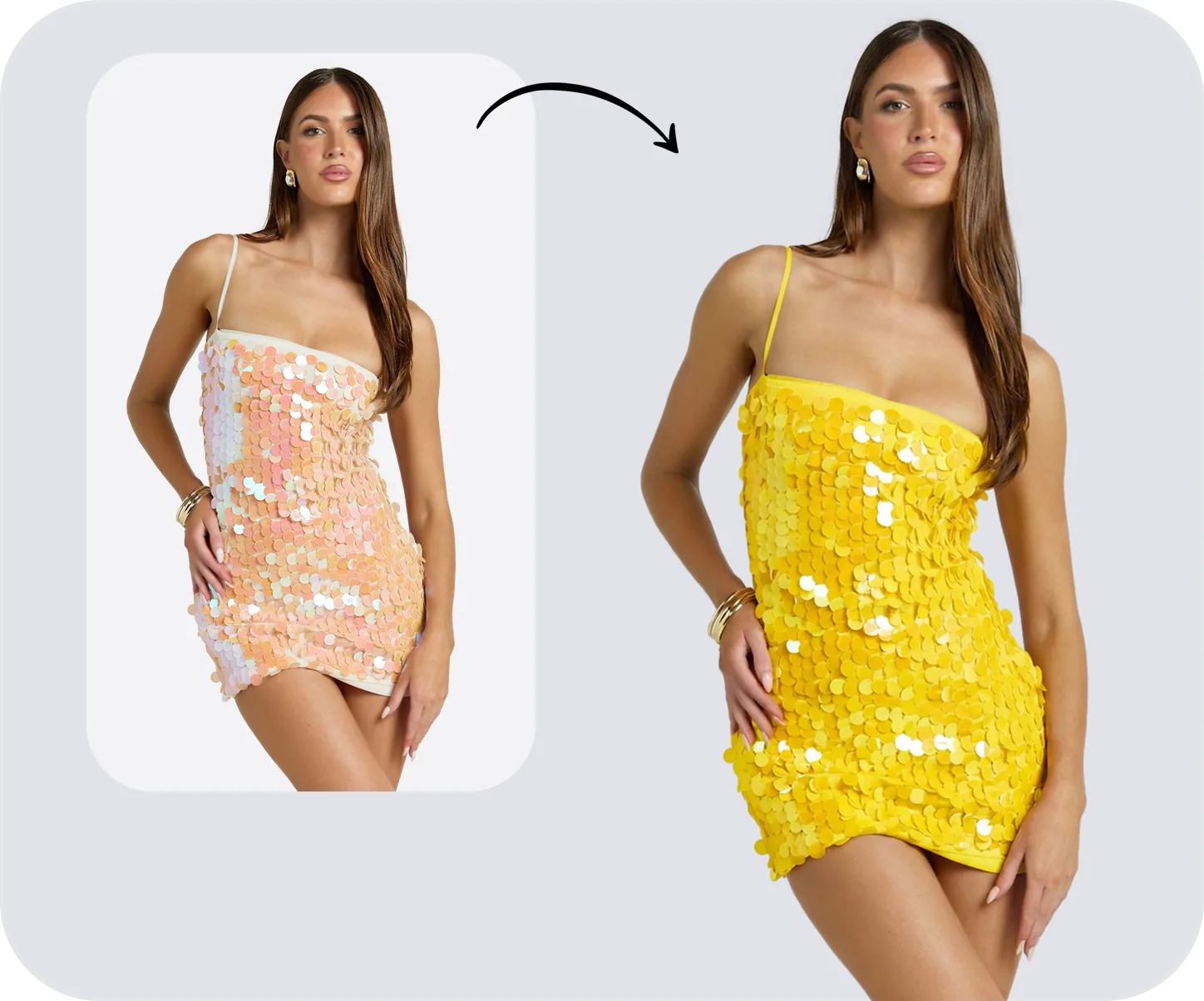
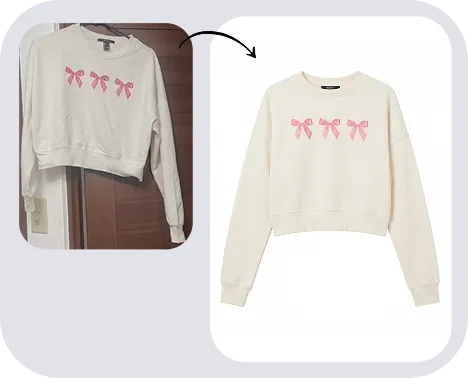
Turn a flat lay, hanger shot, ghost mannequin or packshot into AI fashion model photography for ecommerce. Create on-model product visuals for product pages, Shopify stores, marketplaces and campaigns.
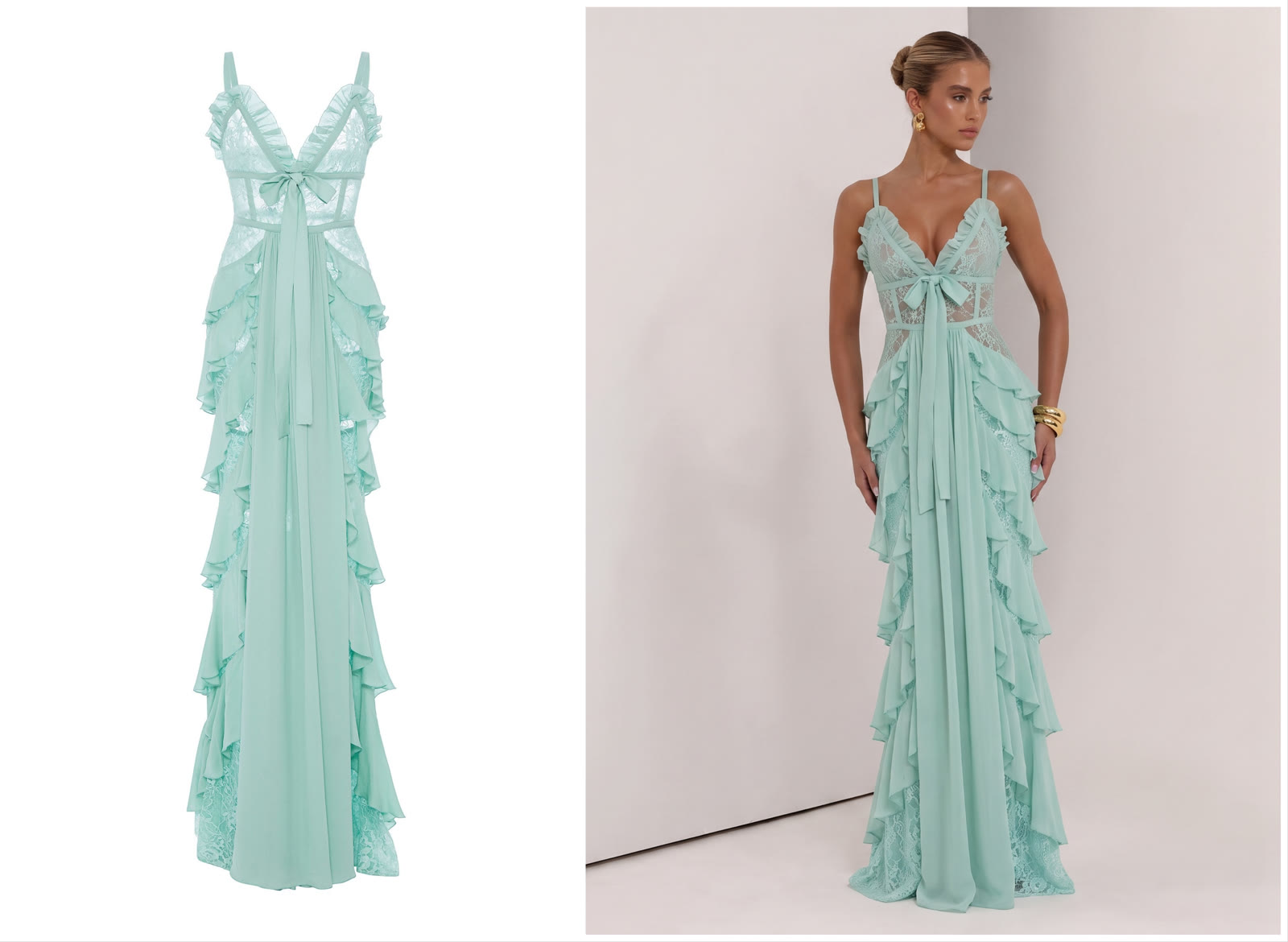
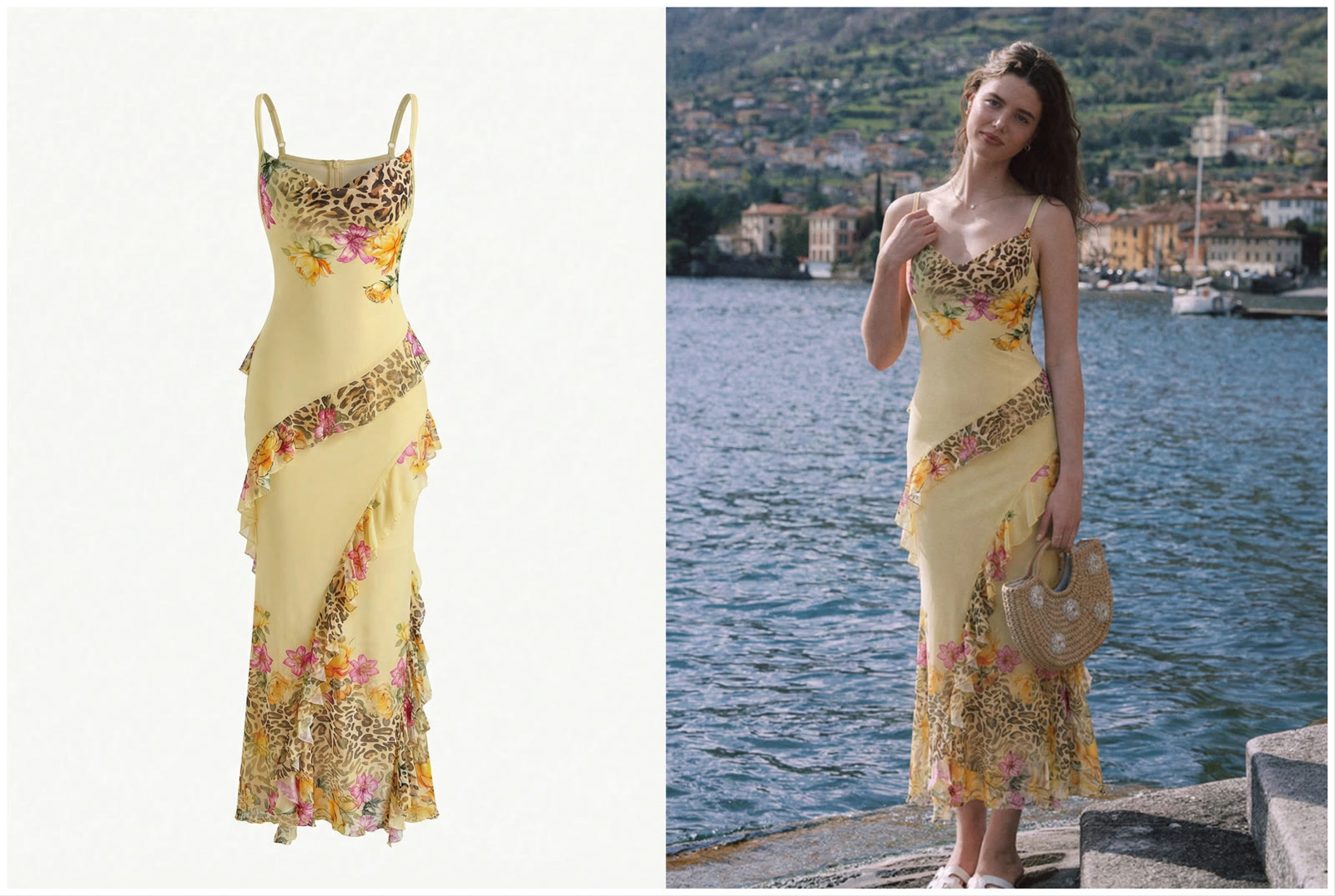
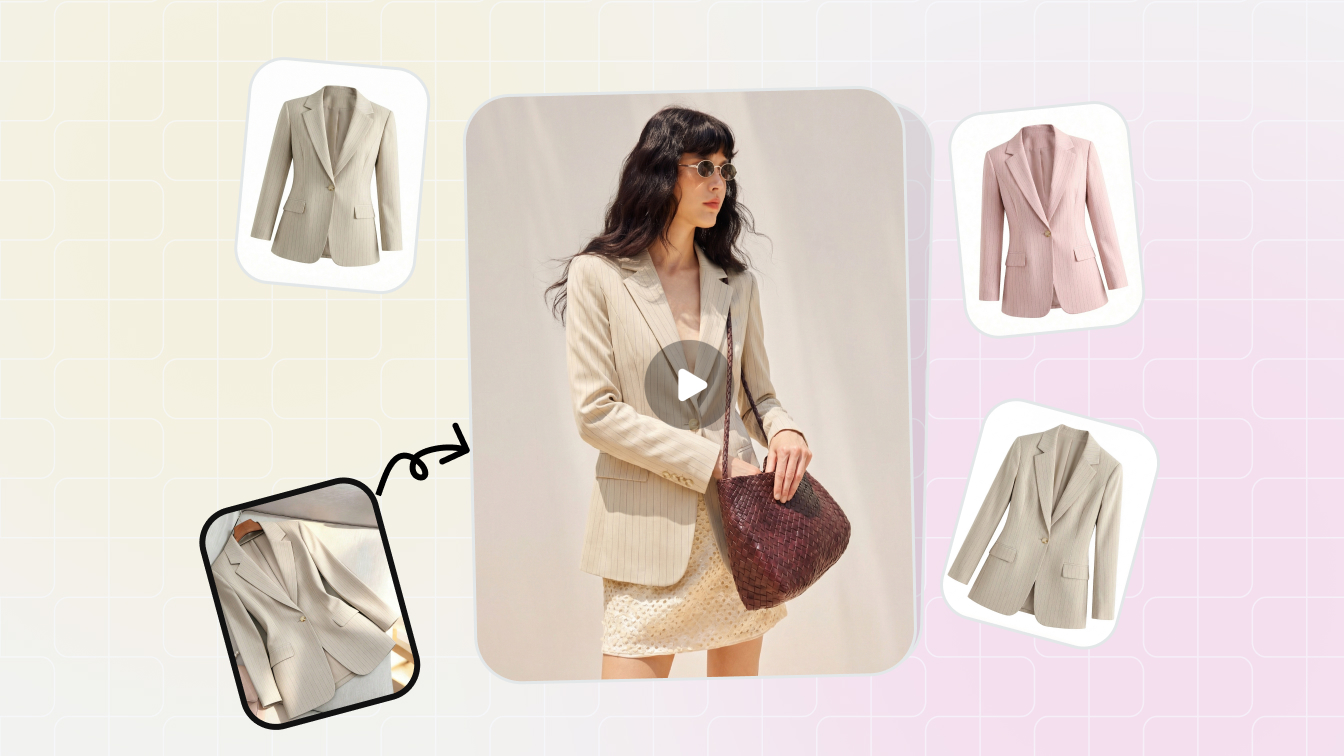
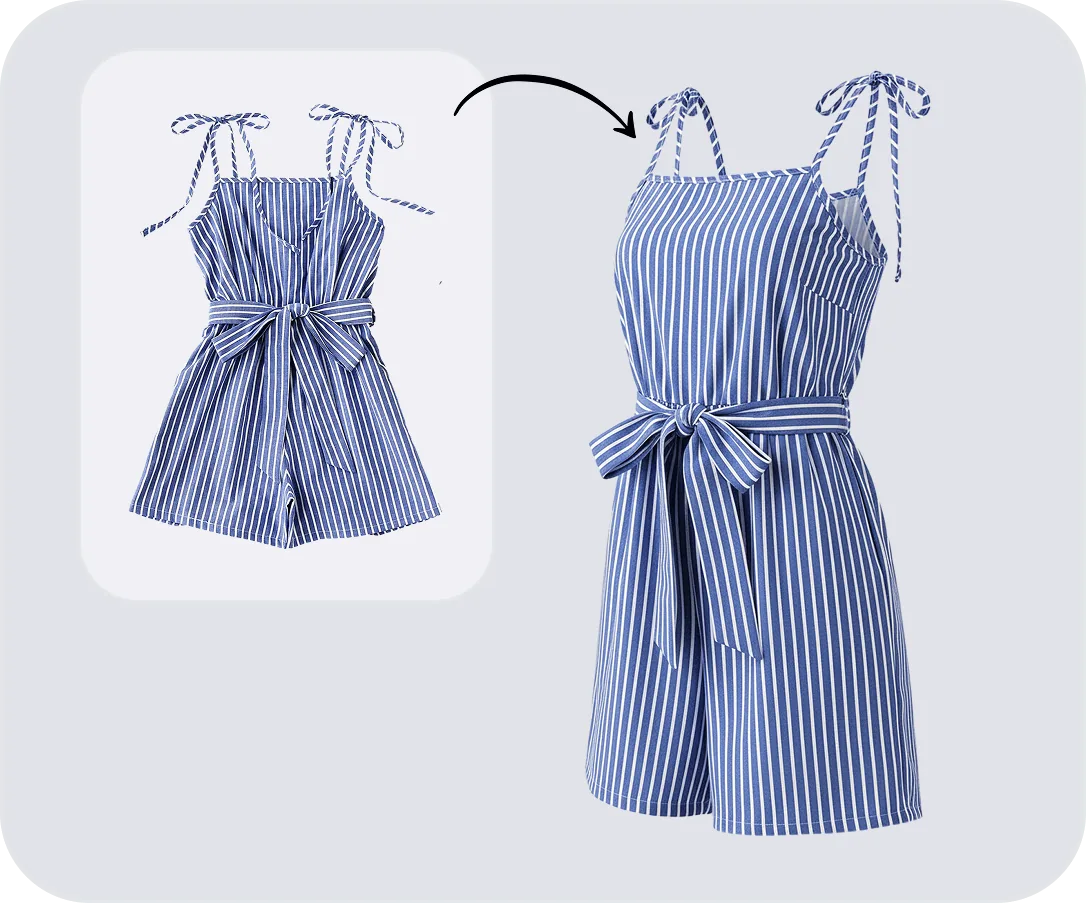
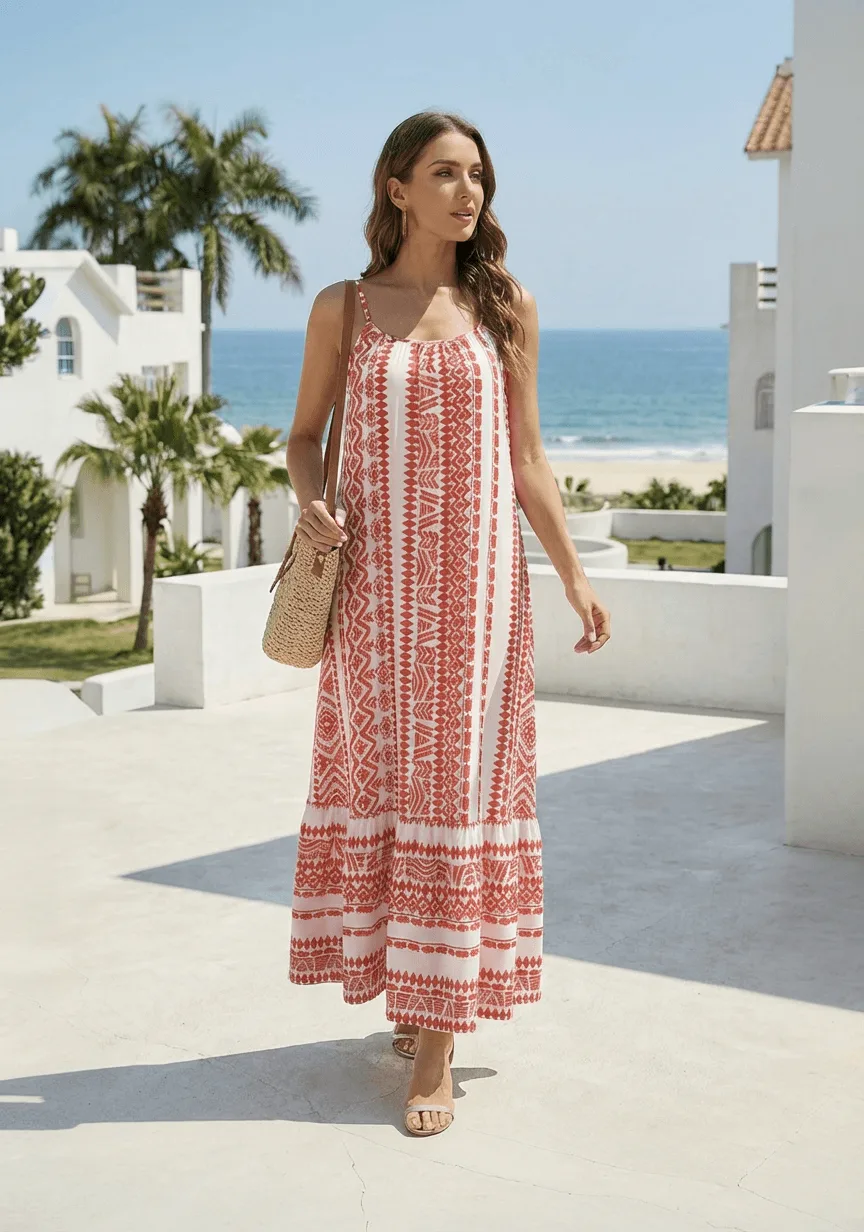
AI apparel and dress on-model images
Turn dresses, tops and sets into on-model ecommerce photos while retaining colour, shape and key details.
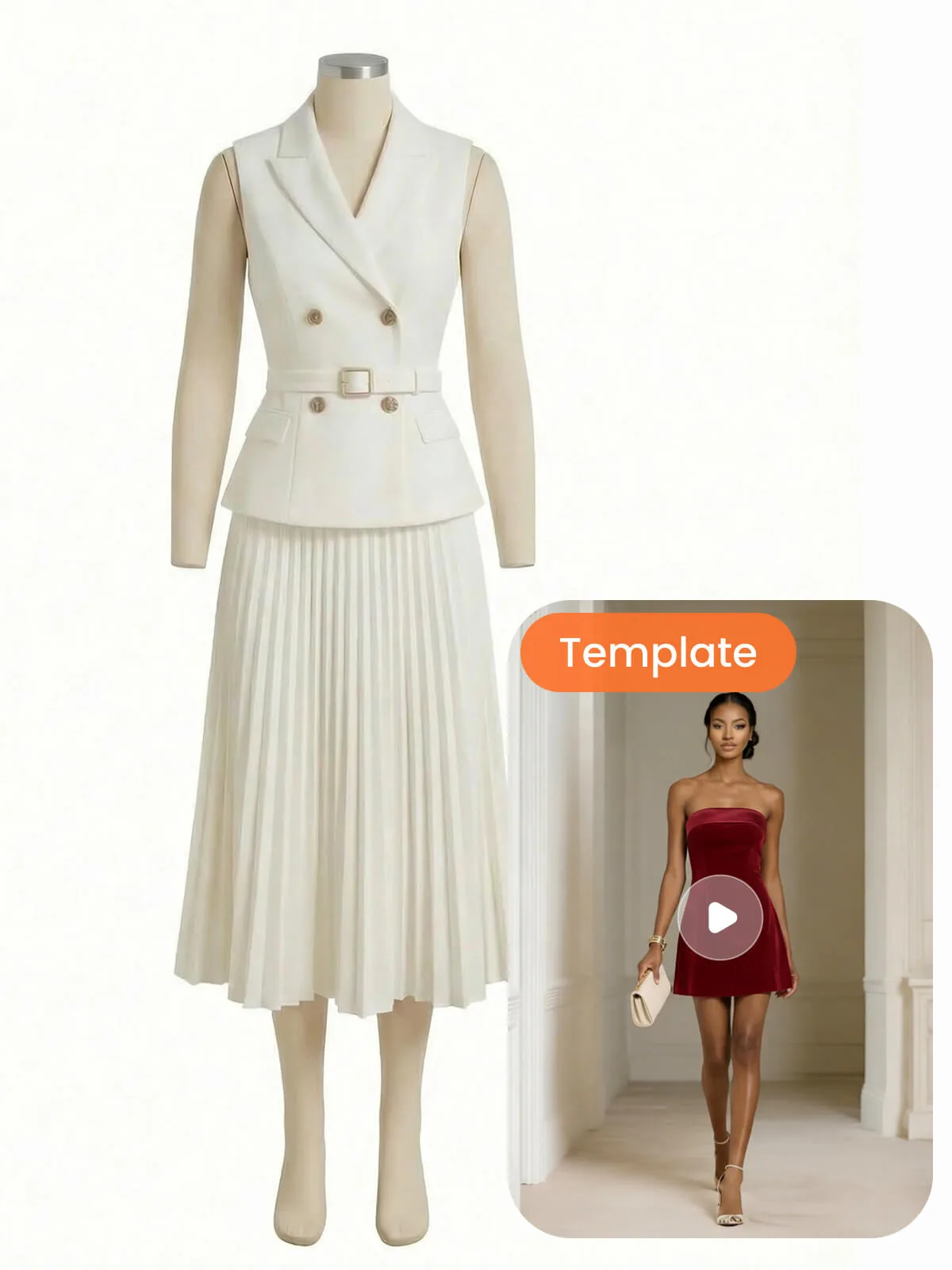
- Flat lay, hanger and ghost mannequin to model images
- AI dress model visuals for Shopify PDPs, collections and lookbooks
- Marketplace-ready apparel listing and paid-social crops
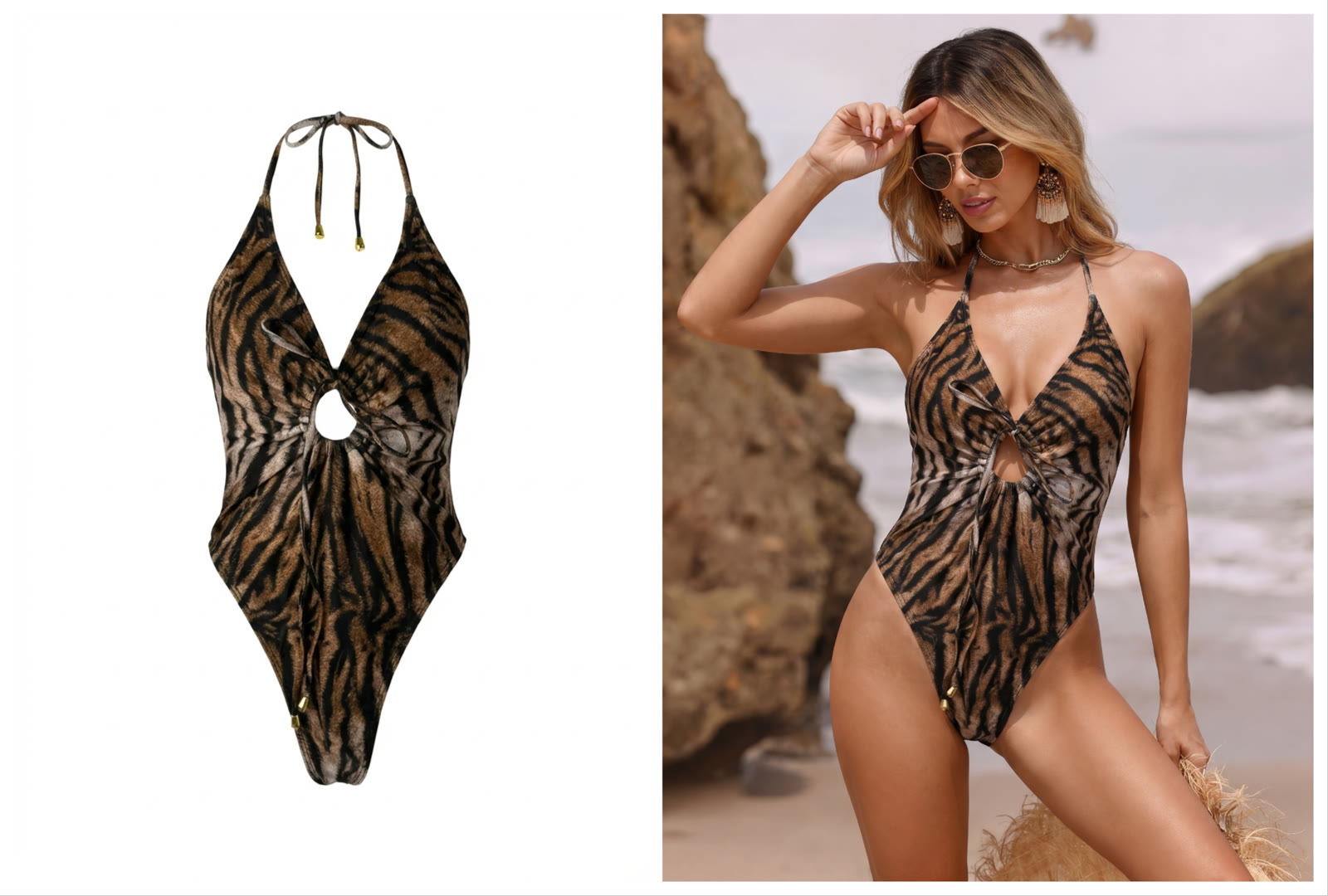
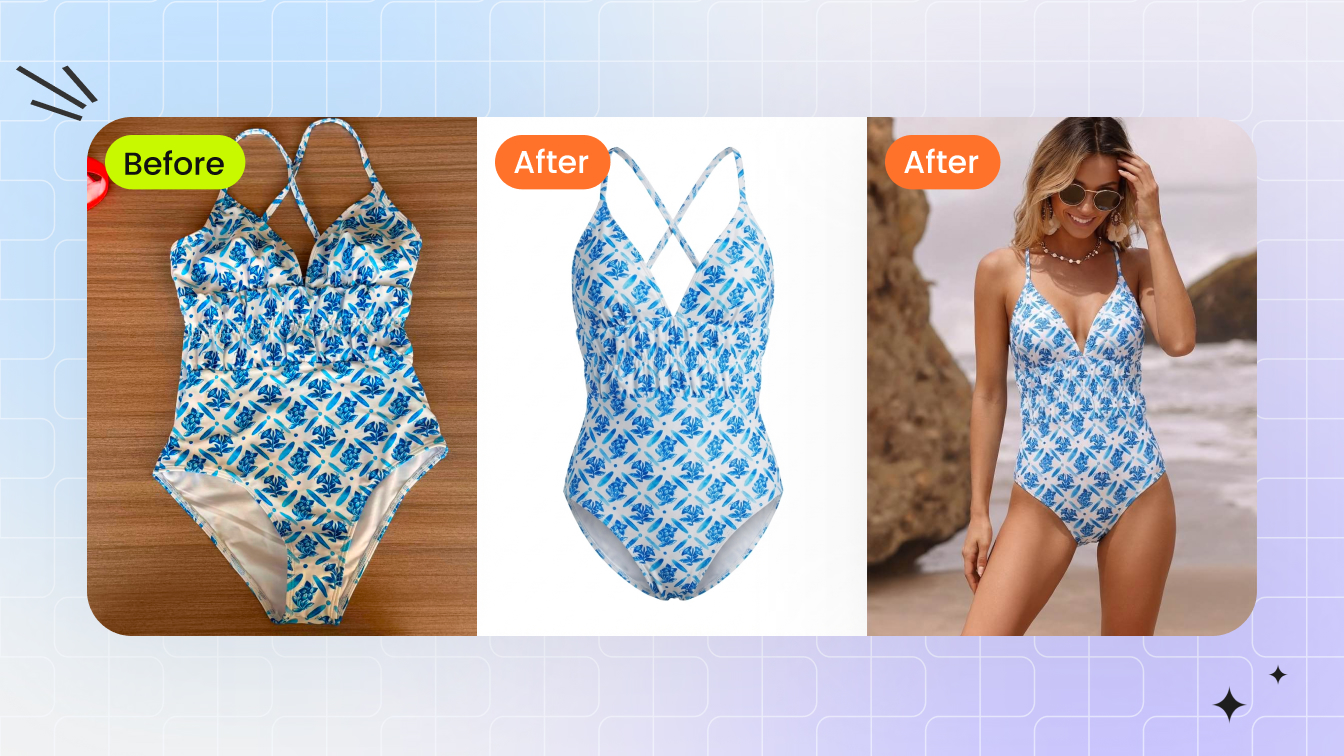
AI bikini and swimwear model images
Create bikini, one-piece and resortwear model images to review coverage, print and styling before launch.
- AI bikini model generator visuals for ecommerce swimwear
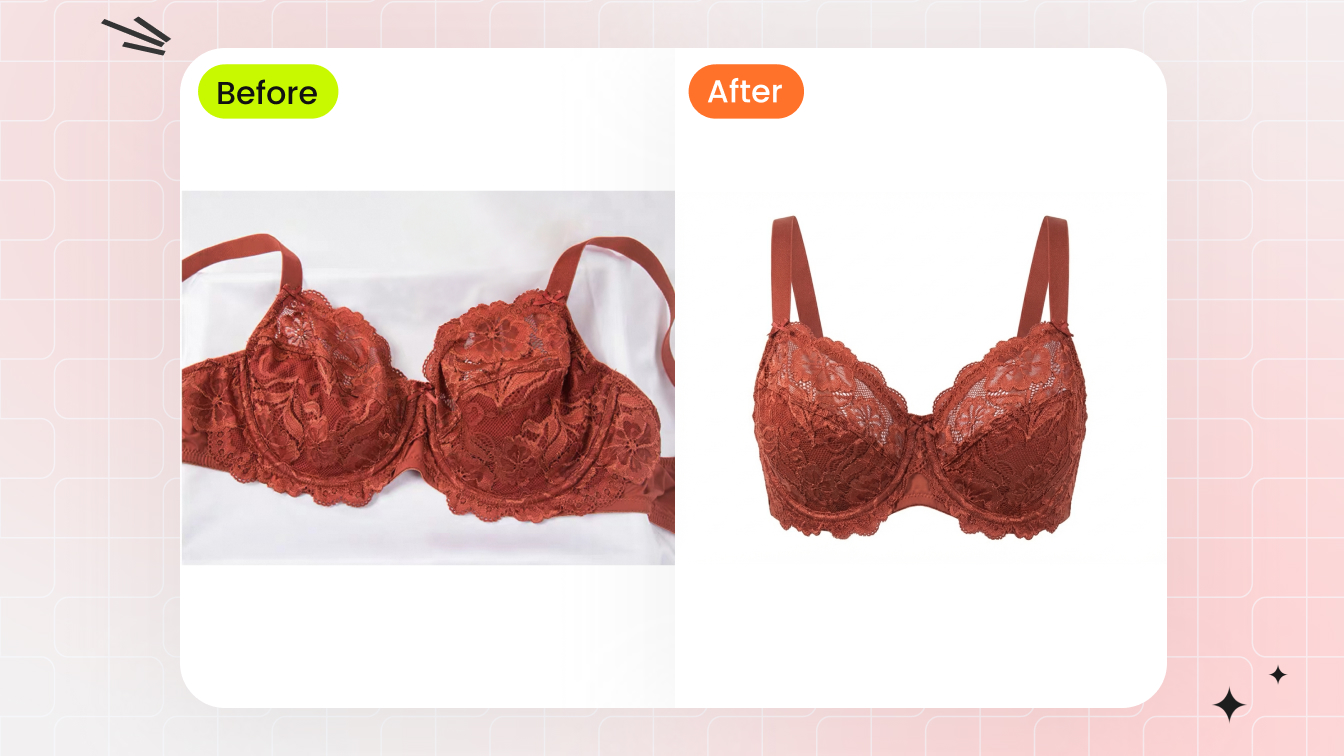
- One-piece, lingerie, underwear and resortwear product photos
- Coverage, fit, print and final-crop review before launch
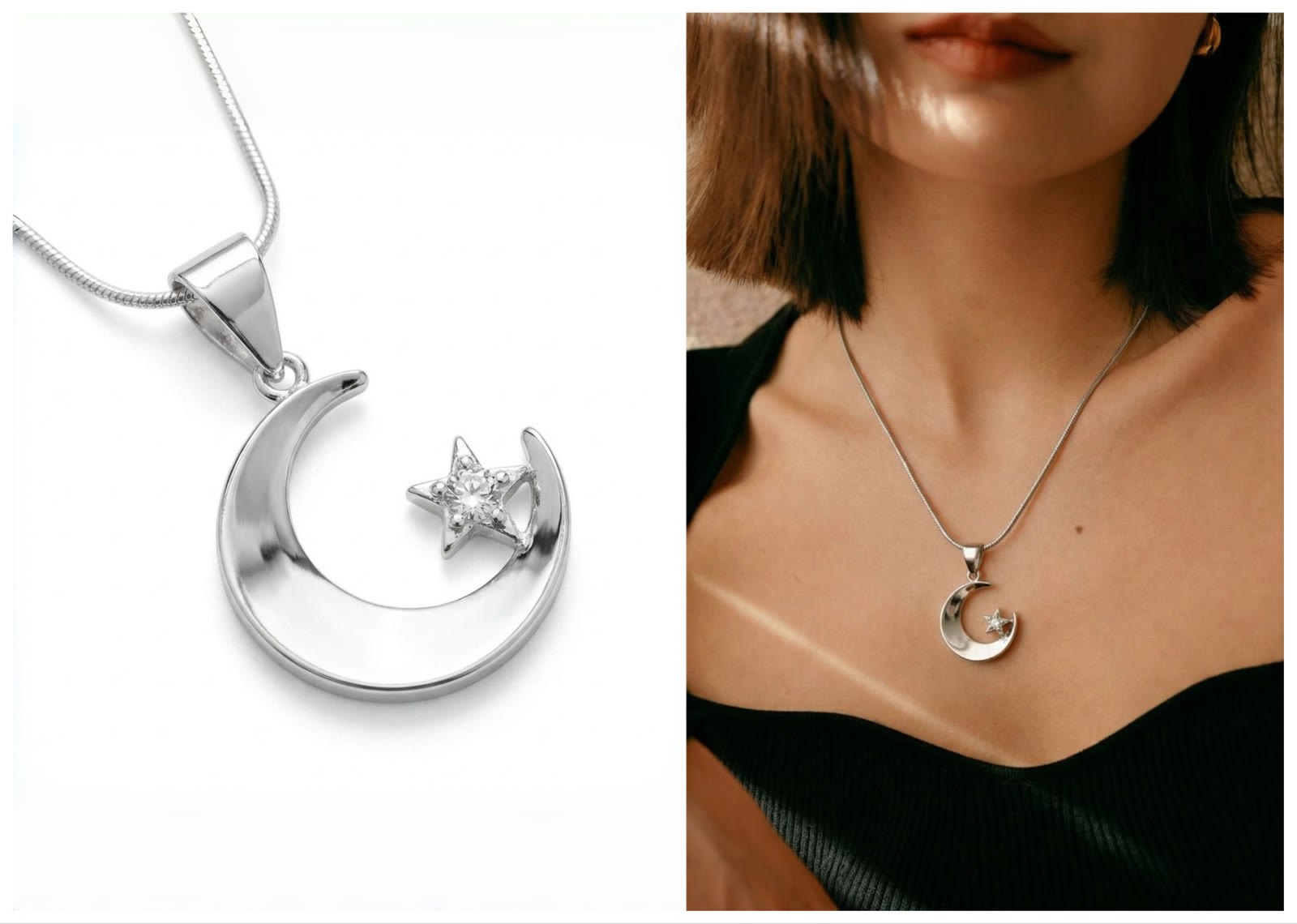
Jewelry, hats and shoes on model
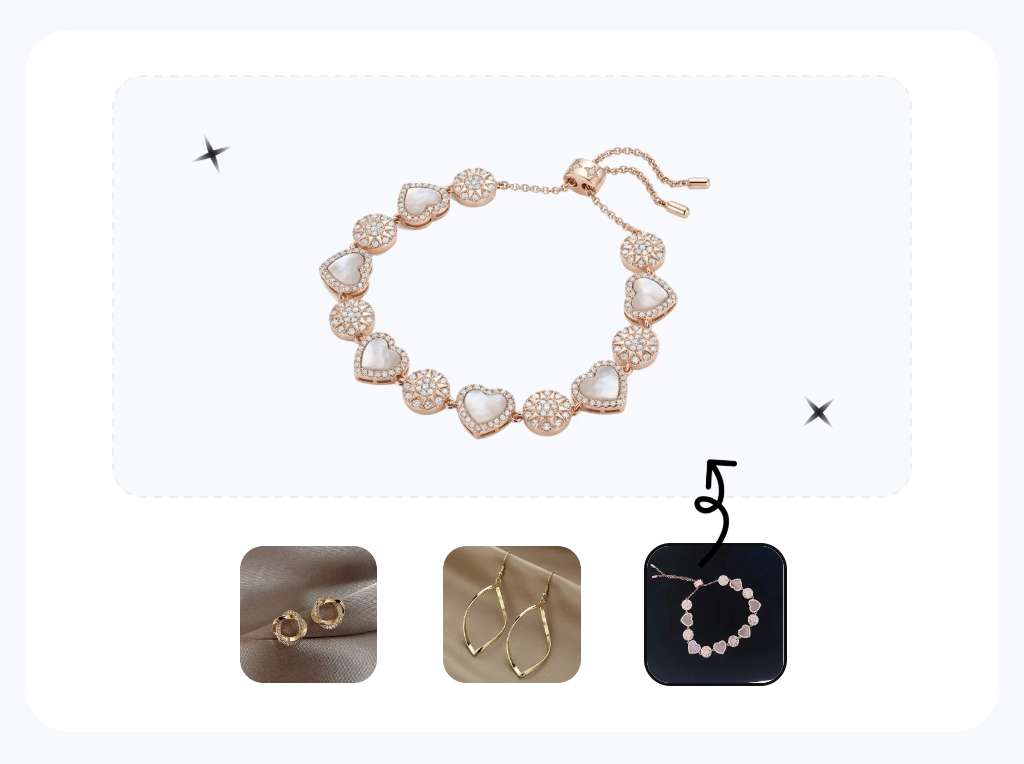
Show jewelry, hats and shoes on model for clearer scale, placement and styling alongside SKU detail shots.
- Jewelry on-model photos for necklaces, earrings and pendants
- AI hat try-on and styled accessory content for campaigns
- Shoe on-foot visuals that clarify scale, outfit and placement
How to create on-model product images with AI
Start with the product source you want customers to recognize. The workflow then gives your team a model-led visual direction for ecommerce, marketplaces and campaigns.
- 01
Upload a product source image
Use a clear flat lay, hanger shot or ghost mannequin image where colour, construction, print and key details are visible.
- 02
Choose an AI fashion model direction
Open Fashion Model with the same source image, then select a model, styling and channel direction for the collection.
- 03
Review the on-model product image
Check the result against the SKU before using the visual on a product page, marketplace listing, ad or campaign brief.
Why use a product-to-model tool for fashion design, content and try-on?
Product-to-model lets fashion teams explore model-led visual directions from one approved source image before committing to a shoot or production brief. It keeps the product, audience and channel requirements in the same review loop, so each visual has a clear job in the collection.
- Fashion design and merchandising. Compare silhouette, proportion, styling and model direction while a collection is still taking shape. Turn a flat lay, hanger shot or ghost mannequin image into a working reference for a sample review, line plan, buying meeting or photoshoot brief.
- Content and campaign planning. Use the same approved source to prepare visual directions for PDP galleries, marketplace refreshes, paid social, launch calendars and creative approvals. Align framing, styling and audience before a campaign is produced.
- Seller-side try-on and listing review. Review how an apparel item or accessory reads in a model-led image when scale, placement, fit and crop matter. Keep the source, flat lays and close-ups with the listing so customers can still inspect the underlying product.
Ecommerce use cases for swimwear, jewelry, accessories and reseller listings
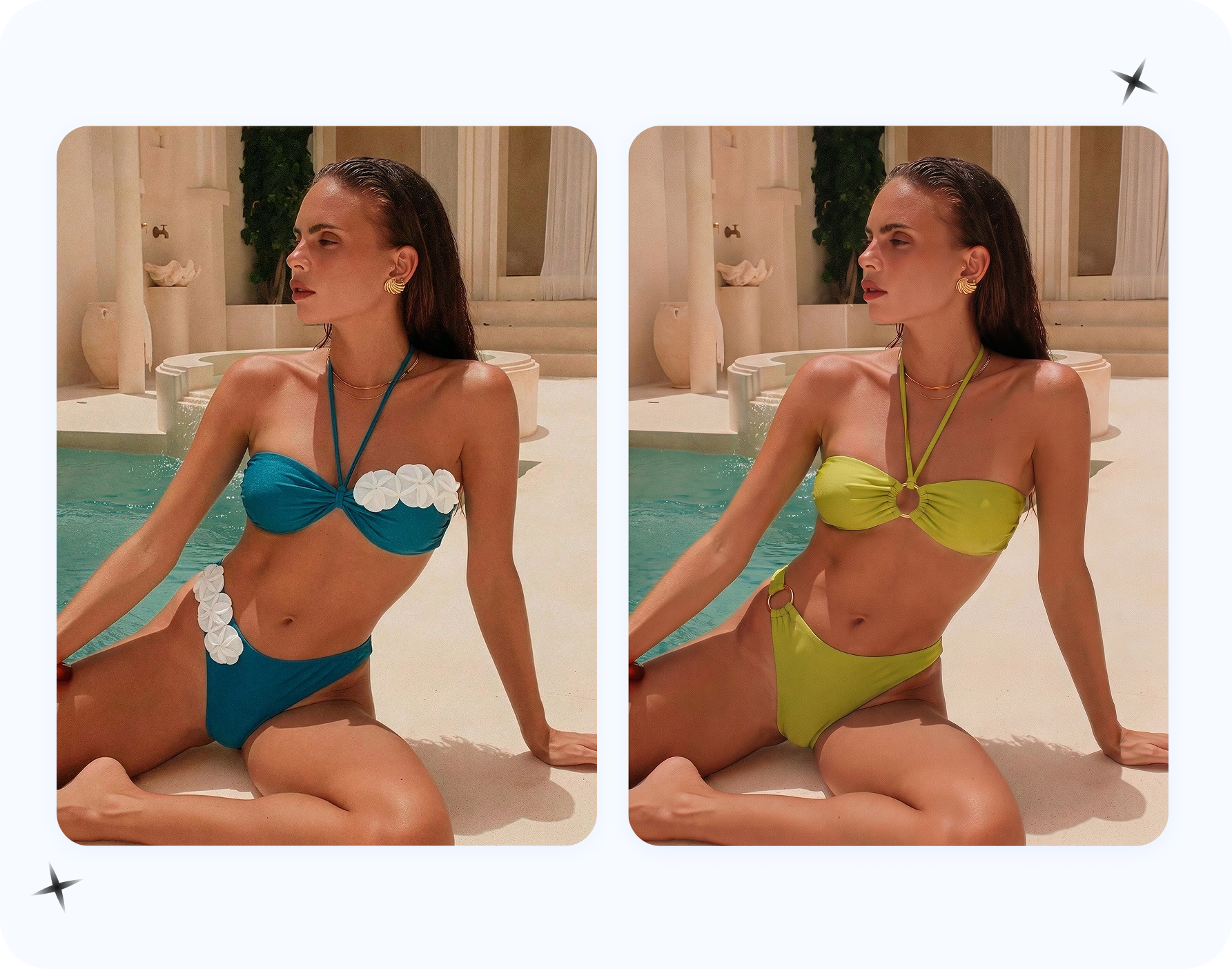 Swimwear launch contentFor fashion brands planning a swimwear drop: refresh collection visuals quickly and keep model, crop and colour direction consistent across SKUs.
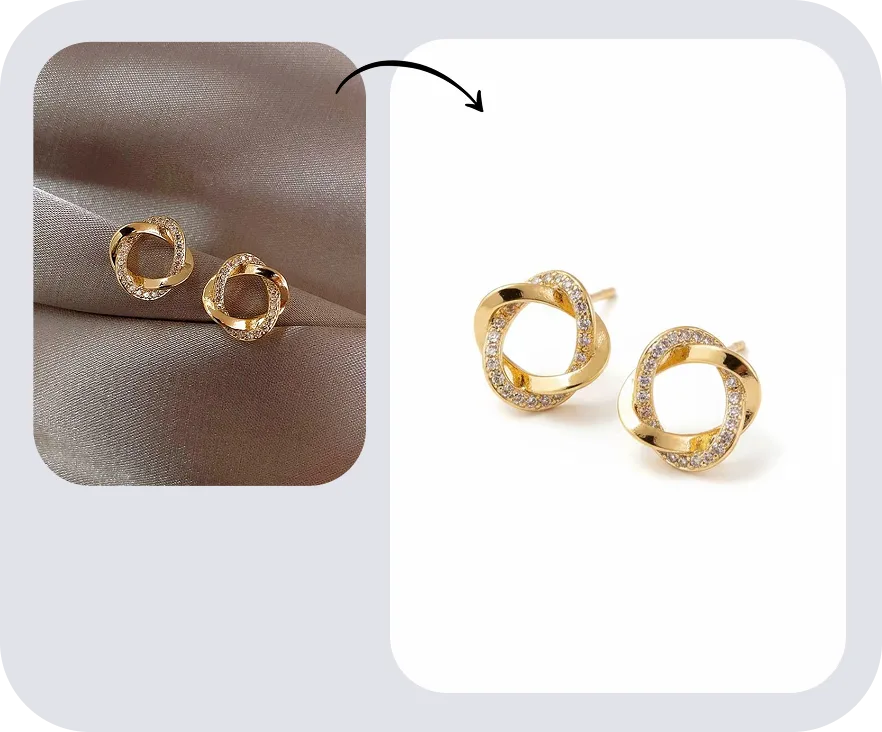
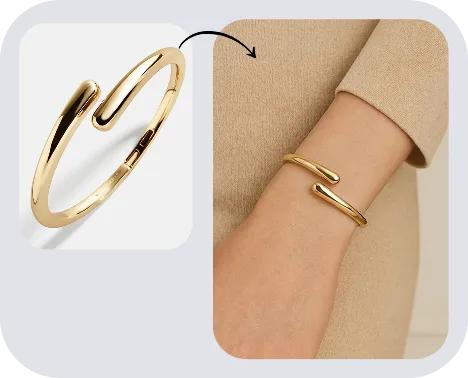 Jewelry seller listingsFor jewelry sellers: pair a clean catalog image with an on-model lifestyle image for Etsy, Shopify and marketplace product listings.
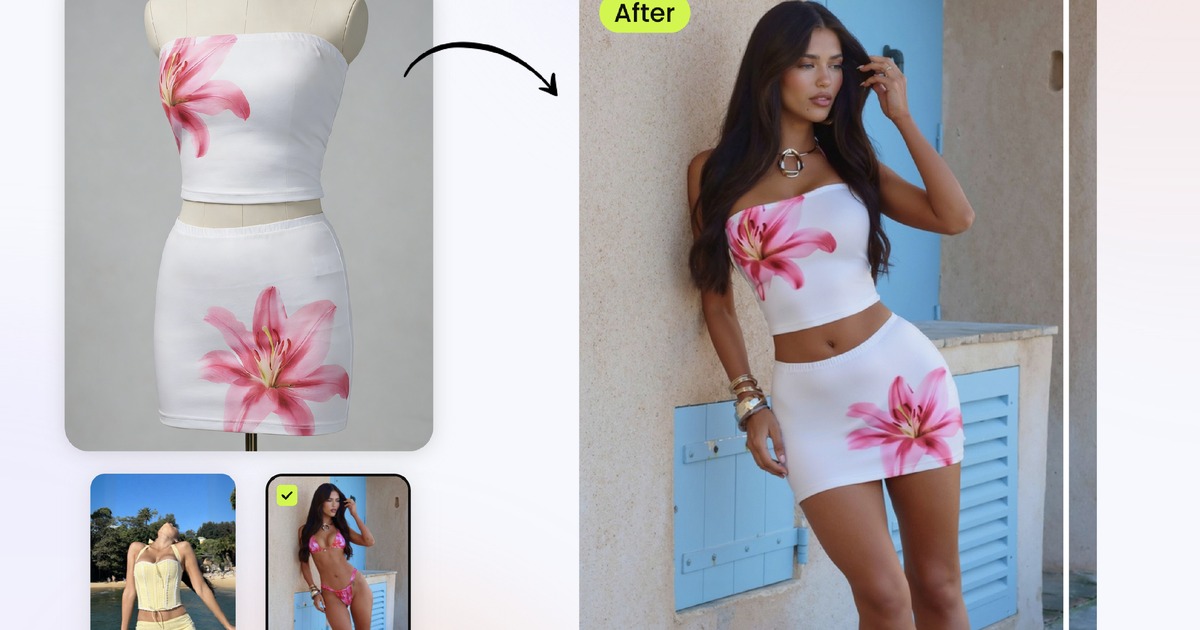 Accessories from supplier photosFor dropshippers: turn a supplier hat or accessory image into a distinct listing visual before publishing to Shopify or marketplaces.
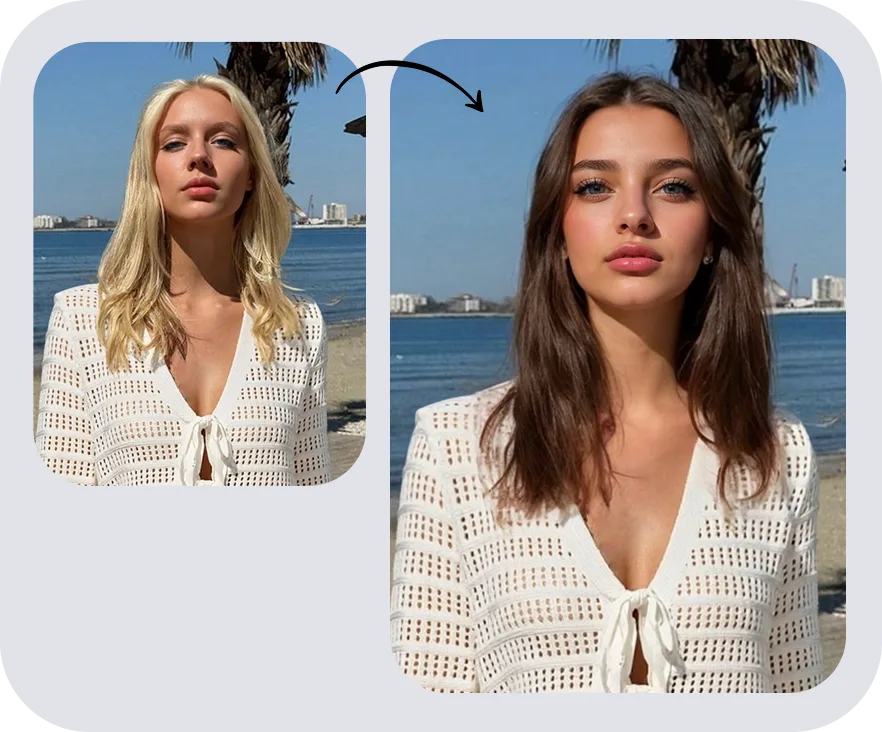
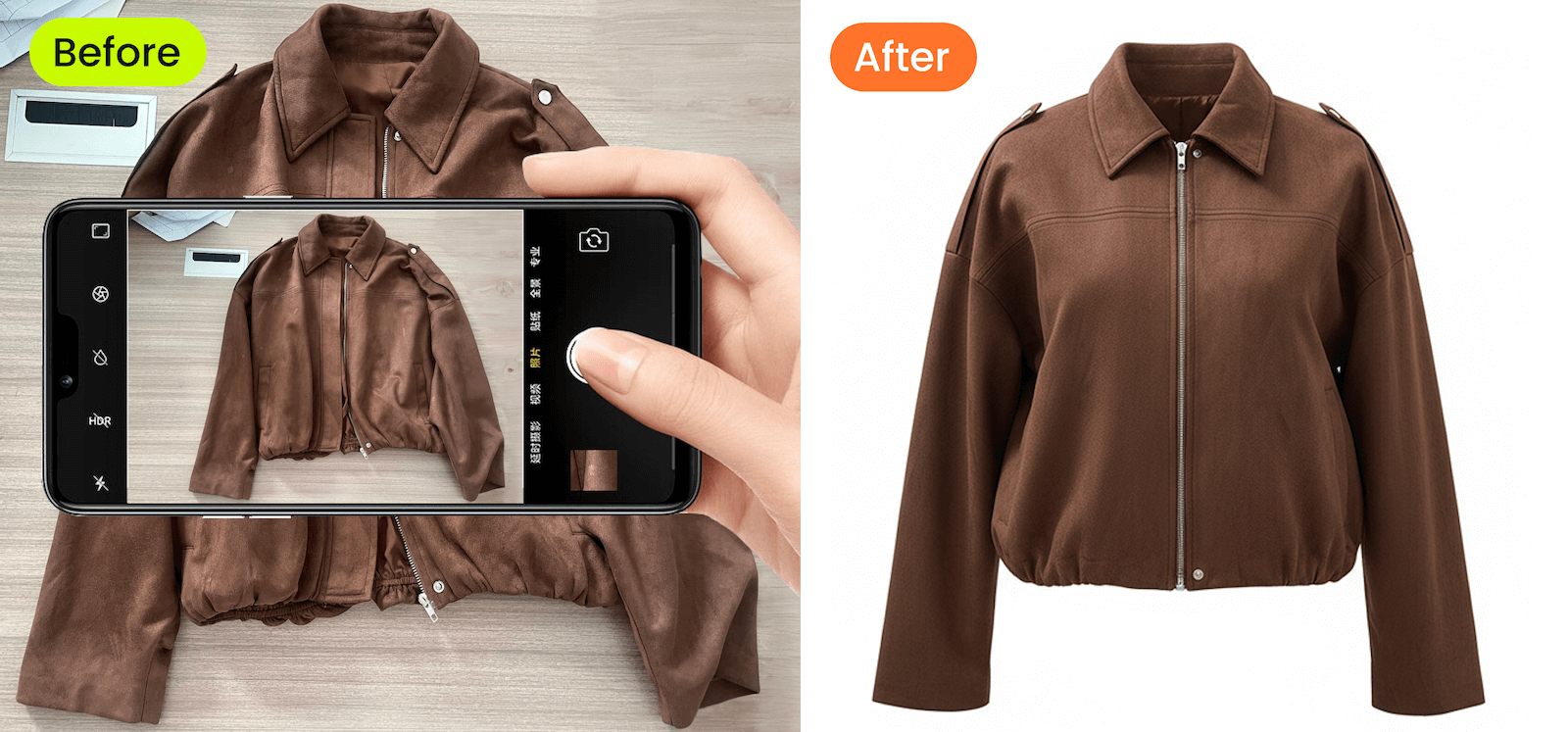 Marketplace-ready reseller listingsFor eBay, Poshmark and Depop resellers: turn one supplier or phone photo into an on-model hero, clean white-background listing image and ready-to-export crop.
More Guides & Resources
Read practical comparisons and workflows for lingerie, swimwear and jewelry product images.
Best AI Lingerie Model Generators in 2026
Compare lingerie and swimwear model generators on output quality, cost and ecommerce fit.
AI Product Photography Guide
Build consistent ecommerce images from approved product sources for marketplaces, PDPs and campaigns.
Best AI Jewelry Photo Editor in 2026
Compare AI jewelry retouch and model tools for Etsy and Shopify product images.
AI Swimwear Model Generator
Compare tools for bikini, swimwear and resortwear model images.
Build a complete AI product photography workflow
Product-to-model AI FAQ for ecommerce teams
What is product-to-model AI?
Product-to-model AI turns a product source image into an on-model visual. Upload a product photo, choose an AI fashion model direction, then review the result for a listing, product page or campaign.
Can I turn a flat lay, hanger shot or ghost mannequin photo into an on-model image?
Yes. Start with a clear flat lay, hanger image or ghost mannequin image where the product shape and visible details are easy to read. The same source is carried into Fashion Model for the next step.
Which product categories can I create on-model images for?
Use a clear product source for apparel, dresses, bikinis and swimwear, plus accessory directions such as jewelry, hats and shoes. Keep close-up product photography alongside the on-model result when customers need to verify fine details.
Is Product-to-Model an AI fashion model generator or virtual try-on?
It is a seller-side AI fashion model workflow for turning a product image into a catalog or campaign visual. Shopper virtual try-on is a separate buyer-side experience for previewing an item on themselves.
Do I need a new model photoshoot for every product?
No. Product-to-model is useful for exploring model-led visual directions from an approved source image before commissioning a reshoot or when each SKU needs a consistent listing direction.
Can I use on-model product images on Shopify, marketplaces and product detail pages?
Use the workflow to prepare ecommerce visuals for Shopify product pages, marketplace listings and product detail galleries, then review the final image against the SKU and each channel's requirements before publishing.
Can I create on-model images for ads, social posts and campaigns?
Yes. Teams can use the visual direction for paid social, campaign planning, marketplace refreshes and creative reviews, provided they have rights to the product source image and review the output before use.
Which product source images work best?
Use a complete, well-lit source where colour, construction, print, trims and product shape are visible. Clean flat lays, hanger shots and ghost mannequin images are useful starting points.
Does the upload go straight to Fashion Model?
On the production page, the selected file is temporarily stored in your browser and carried into Fashion Model, so you do not need to choose it again.
How should I review an AI on-model product image before publishing?
Compare the image with the actual SKU and check colour, print, trims, fit, product placement and final crop. Keep product-detail and close-up photos in the listing where customers need proof of details.
What should I do after creating an on-model image?
Use the result as one asset in your AI product photography workflow, alongside flat lays, ghost mannequin images, colour variants and other product visuals that serve a clear ecommerce purpose.
Create on-model images from one product photo
Upload a clear apparel, bikini, jewelry, hat or shoe product photo. The production workflow carries the same file into Fashion Model so you can choose a template and create the first variation.